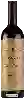
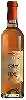
The flavor of black fruit in wine of Sardinia
Discover the of Sardinia wines revealing the of black fruit flavor during the olphactive analysis (nose) and during the gustative analysis (mouth).
Sardinia, located 240 km off the west coast of mainland Italy, is the second largest island in the Mediterranean. With an area of about 9,300 square miles, it is almost three times the Size of Corsica, its immediate neighbor to the North, and only slightly smaller than the other major Italian island, Sicily. The island, called Sardegna by its Italian-speaking inhabitants, has belonged to various empires and kingdoms over the centuries. This is reflected in its place names, architecture, languages and dialects, and its unique portfolio of wine grapes.
Since the mid-18th century, Sardinia has been one of Italy's five autonomous regions (the others being Sicily, Friuli-Venezia Giulia, Trentino-Alto Adige, and Valle d'Aosta), but its separation from the mainland has given rise to a culture and identity somewhat removed from the Italian mainstream. This is reflected in Sardinia's relationship with wine. Wine is much less culturally and historically rooted here than in mainland regions, and large-scale wine production and consumption have only developed in recent centuries. The portfolio of varieties planted in Sardinian vineyards bears little resemblance to that of other Italian wine regions.
A fungus called botrytis cinerea that develops during the over-ripening phase, an ally of great sweet white wines, when it concentrates the juice of the berries. It requires the humidity of morning fogs and beautiful sunny days, gives musts very rich in sugar and brings to the wines the famous taste of "roasted".