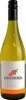
Winery SantadiLatinia Valli di Porto Pino
 Sweet wine


This wine generally goes well with
The Latinia Valli di Porto Pino of the Winery Santadi is in the top 20 of wines of Valli di Porto Pino.

Wine flavors and olphactive analysis




On the nose the Latinia Valli di Porto Pino of Winery Santadi in the region of Sardinia often reveals types of flavors of non oak, earth or microbio and sometimes also flavors of oak, tree fruit or spices.
Details and technical informations about Winery Santadi's Latinia Valli di Porto Pino.
Discover the grape variety: Rabo de Ovelha
Lively and fresh dry whites with a pale golden robe, a supple palate and preserved acidity, with signature aromas of citrus (lemon), green apple, white flowers and Mediterranean herbal notes. A thirst-quenching Iberian profile to drink young. A traditional component of Portuguese white blends from the Tejo, Alentejo and Douro, expressing the identity of central Portugal. Native Portuguese white grape, whose name means "sheep's tail".
Last vintages of this wine

The best vintages of Latinia Valli di Porto Pino from Winery Santadi are 2010, 2007, 2012, 2009 and 2008.
Informations about the Winery Santadi
The Winery Santadi is one of of the world's greatest estates. It offers 23 wines for sale in the of Valli di Porto Pino to come and discover on site or to buy online.

The wine region of Valli di Porto Pino
Flagship appellation of Hérault (Thau basin between Sète and Agde, 1600 ha on Eocene limestone, windy, 6 km from the sea): Picpoul Blanc (exclusive) as the signature dry white — intense lime, green apple, grapefruit, white flower and a refined Mediterranean iodine-saline note, sharp and lively acidity — natural partner for Bouzigues mussels. Light perlant possible. Released from spring, drink fresh without ageing.
The wine region of Sardinia
Italian Mediterranean wine island with 250+ varieties, strong native identity. Signature Cannonau (Grenache) in red: warm and deep with signature ripe cherry, garrigue, myrtle, spice and a balsamic touch, round tannins and a sun-drenched palate. Vermentino di Gallura DOCG star white (80% of Italian Vermentino): fresh and saline (citrus, pear, almond, sea iodine). Also dense Carignan, supple Monica, lively Nuragus, rare oxidative Vernaccia di Oristano.
The word of the wine: Destemming
Operation consisting in eliminating the vegetal part of the bunch supporting the berries, its maceration with the must giving a herbaceous taste to the wine.