The Winery Juliusspital of Franken

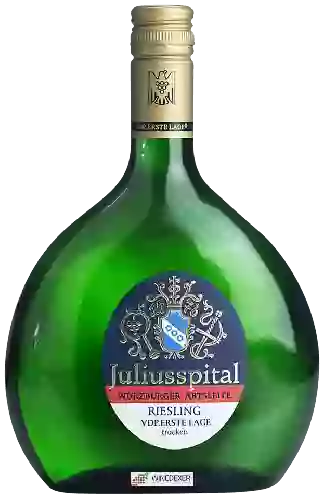
The Winery Juliusspital is one of the world's great estates. It offers 111 wines for sale in of Franken to come and discover on site or to buy online.
Looking for the best Winery Juliusspital wines in Franken among all the wines in the region? Check out our tops of the best red, white or effervescent Winery Juliusspital wines. Also find some food and wine pairings that may be suitable with the wines from this area. Learn more about the region and the Winery Juliusspital wines with technical and enological descriptions.
How Winery Juliusspital wines pair with each other generally quite well with dishes of pork, shellfish or spicy food such as recipes of roast pork orloff, yellow risotto with mussels or pasta with broccoli.
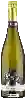
On the nose the white wine of Winery Juliusspital. often reveals types of flavors of citrus, green apple or lime and sometimes also flavors of honey, earth or tree fruit. In the mouth the white wine of Winery Juliusspital. is a with a nice freshness.
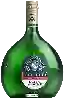
Homeland of German Silvaner: dry, straight, mineral and lively whites with notes of green apple, citrus, fresh herbs and a saline touch, planted here for over 350 years (1,500 ha, a quarter of the vineyard). Also supple, floral Müller-Thurgau, taut Riesling, aromatic Bacchus. Some discreet reds (Spätburgunder). 6,040 ha in Bavaria along the Main around Würzburg, red sandstone and shell-limestone soils.
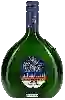
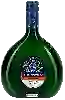
Bottled in the famous ovoid Bocksbeutel.
How Winery Juliusspital wines pair with each other generally quite well with dishes of beef, veal or game (deer, venison) such as recipes of fleischnacka leaf, milanese osso buco or wild boar leg of 7 hours.
On the nose the red wine of Winery Juliusspital. often reveals types of flavors of oak, black fruit or non oak and sometimes also flavors of earth, red fruit. In the mouth the red wine of Winery Juliusspital. is a with a nice freshness.
Aromatic, structured whites with lively acidity and a round mouth, featuring intense aromas of pink grapefruit, blackcurrant, passion fruit, white flowers and muscat notes. Made as aromatic dry wines (Trocken), off-dry (Kabinett, Spätlese) and especially sumptuous botrytised sweet wines (Auslese, Beerenauslese, Trockenbeerenauslese). Grown in Germany (Rheinhessen, Palatinate) and Austria. Created in 1916 by Georg Scheu in Alzey, a Riesling × Bukettrebe cross.
How Winery Juliusspital wines pair with each other generally quite well with dishes of rich fish (salmon, tuna etc), shellfish or mature and hard cheese such as recipes of potato and tuna gratin, indian chicken (simplified korma) or cheese fondue.
Prolonged contact and exchange between the juice and the grape solids, especially the skin. Not to be confused with the time of fermentation, which follows maceration. The juice becomes loaded with colouring matter and tannins, and acquires aromas. For a rosé, the maceration is short so that the colour does not "rise" too much. For white wines too, a "pellicular maceration" can be practised, which allows the wine to acquire more fat.
How Winery Juliusspital wines pair with each other generally quite well with dishes such as recipes .
On the nose the pink wine of Winery Juliusspital. often reveals types of flavors of tree fruit, red fruit.
Aromatic, structured whites with excellent ageing potential, with a golden colour, a taut palate with pronounced acidity, and signature aromas of ripe yellow fruits (peach, apricot), citrus (lemon) and honey notes. Excels in sweet and botrytised dessert wines (Auslese, BA, TBA). Grown in Franconia and the Palatinate, it yields some of Germany's greatest dessert wines. A German white variety bred in 1921 in Würzburg (Silvaner × Riesling), late-ripening.
Planning a wine route in the of Franken? Here are the wineries to visit and the winemakers to meet during your trip in search of wines similar to Winery Juliusspital.
Aromatic and fresh whites to drink young, pale golden robe, airy palate with preserved acidity, signature aromas of white flowers (elderflower, acacia), muscat, exotic fruits and herbal notes. Early-ripening and productive. Grown in Germany, England and Luxembourg, gaining recognition for fresh and expressive whites. German white grape obtained in 1933 at Geilweilerhof ((Silvaner x Riesling) x Müller-Thurgau).