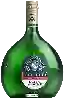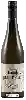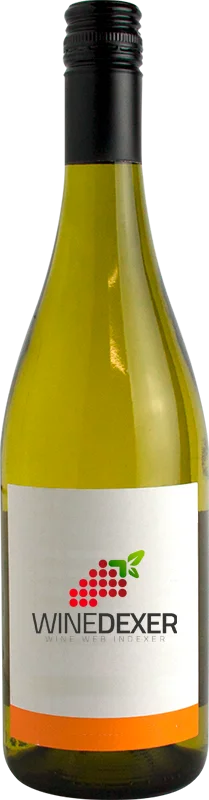
Winery JuliusspitalVogelsburg Silvaner Trocken
 White wine



In the mouth this white wine is a with a nice freshness.
This wine generally goes well with pork, vegetarian or poultry.

Taste structure of the Vogelsburg Silvaner Trocken from the Winery Juliusspital
Light | Bold | |
Dry | Sweet | |
Soft | Acidic |
In the mouth the Vogelsburg Silvaner Trocken of Winery Juliusspital in the region of Franken is a with a nice freshness.
Food and wine pairings with Vogelsburg Silvaner Trocken
Pairings that work perfectly with Vogelsburg Silvaner Trocken



Original food and wine pairings with Vogelsburg Silvaner Trocken


The Vogelsburg Silvaner Trocken of Winery Juliusspital matches generally quite well with dishes of veal, pork or vegetarian such as recipes of chicken with rice for cookeo robot, boeuf en daube or light tuna-tomato quiche (without cream).
Details and technical informations about Winery Juliusspital's Vogelsburg Silvaner Trocken.
Discover the grape variety: Gramon
Simple, light, fruity reds with a pale ruby colour, silky tannins and an airy palate with moderate acidity. Understated aromas of southern red fruits. Discrete rustic profile. Nearly gone from commercial cultivation, preserved in INRAE varietal collections; it reflects the pre-phylloxera ampelographic diversity of the southern vineyard. A rare French black grape, once grown in the South.
Last vintages of this wine
The best vintages of Vogelsburg Silvaner Trocken from Winery Juliusspital are 0
Informations about the Winery Juliusspital
The Winery Juliusspital is one of of the world's great estates. It offers 95 wines for sale in the of Franken to come and discover on site or to buy online.

The wine region of Franken
Homeland of German Silvaner: dry, straight, mineral and lively whites with notes of green apple, citrus, fresh herbs and a saline touch, planted here for over 350 years (1,500 ha, a quarter of the vineyard). Also supple, floral Müller-Thurgau, taut Riesling, aromatic Bacchus. Some discreet reds (Spätburgunder). 6,040 ha in Bavaria along the Main around Würzburg, red sandstone and shell-limestone soils.
The word of the wine: Muscat blanc à petits grains
A white grape variety cultivated since antiquity on the shores of the Mediterranean, it is considered the noblest of the muscats. It is mainly used to make sweet wines, often from mutage. In France, it is the sole variety used in many natural sweet wines: muscat-de-frontignan, muscat-de-mireval, muscat-de-lunel, muscat-de-saint-jean-de-minervois, muscat-de-beaumes-de-venise, muscat-du-cap-corse. Combined with Muscat d'Alexandrie, it gives Muscat-de-Rivesaltes. It is also used to make sparkling white wines (clairette-de-die; moscato d'asti and asti spumante in Italy) and dry wines (alsace-muscat). Powerfully aromatic and complex, its wines evoke fresh grapes, roses, exotic fruits, citrus fruits and spices.