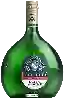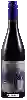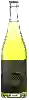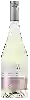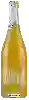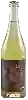
Winery JuliusspitalRosé Brut
 Sparkling wine


This wine generally goes well with vegetarian

Food and wine pairings with Rosé Brut
Pairings that work perfectly with Rosé Brut

Original food and wine pairings with Rosé Brut
The Rosé Brut of Winery Juliusspital matches generally quite well with dishes of vegetarian such as recipes of quiche with leeks and fresh salmon from flo.
Details and technical informations about Winery Juliusspital's Rosé Brut.
Discover the grape variety: Persan
Elegant, structured reds with a deep ruby robe, firm tannins and fresh alpine acidity of intense red fruits (cherry, raspberry), blackfruit, spices, black pepper, alpine herbs and floral notes (violet). Fine ageing potential. A once near-extinct grape, preserved and now in renaissance for artisanal identity cuvées. Grown in Vin de Savoie AOC and Isère IGP. Native French grape of Savoie and Dauphiné, a rediscovered alpine signature.
Last vintages of this wine
The best vintages of Rosé Brut from Winery Juliusspital are 0
Informations about the Winery Juliusspital
The Winery Juliusspital is one of of the world's great estates. It offers 95 wines for sale in the of Franken to come and discover on site or to buy online.

The wine region of Franken
Homeland of German Silvaner: dry, straight, mineral and lively whites with notes of green apple, citrus, fresh herbs and a saline touch, planted here for over 350 years (1,500 ha, a quarter of the vineyard). Also supple, floral Müller-Thurgau, taut Riesling, aromatic Bacchus. Some discreet reds (Spätburgunder). 6,040 ha in Bavaria along the Main around Würzburg, red sandstone and shell-limestone soils.
The word of the wine: Burgundy piece
228-litre barrel.