The Winery Lidl of Württemberg
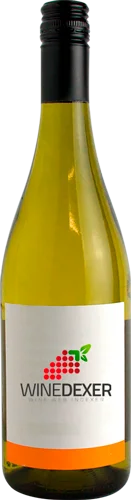
The Winery Lidl is one of the largest wineries in the world. It offers 418 wines for sale in of Württemberg to come and discover on site or to buy online.
Looking for the best Winery Lidl wines in Württemberg among all the wines in the region? Check out our tops of the best red, white or effervescent Winery Lidl wines. Also find some food and wine pairings that may be suitable with the wines from this area. Learn more about the region and the Winery Lidl wines with technical and enological descriptions.
How Winery Lidl wines pair with each other generally quite well with dishes of shellfish, vegetarian or appetizers and snacks such as recipes of sea sauerkraut with white wine, quiche without pastry, courgette and blue cheese or cervelat in the alsatian style.
On the nose the white wine of Winery Lidl. often reveals types of flavors of apples, vanilla or pear and sometimes also flavors of non oak, oak or tree fruit. In the mouth the white wine of Winery Lidl. is a with a nice freshness.
Württemberg is known as Germany's premier red wine region. With almost 11,500 hectares (28,500 acres) of vineyards, it is the fourth-largest wine region in the country. Found adjacent to Baden and South of Franken, Wüttemberg is a particularly hilly and rural wine-region.
Almost 70-percent of Württemberg wines are red, predominantly made from Trollinger, SchwarzRiesling and Lemberger.
These red wines tend to be light and Fruity, due to the cool temperatures in this region. While more winemakers are beginning to make higher-alcohol, more heavily extracted examples, the local consumers are well accustomed to the style.
While Riesling represents nearly two-thirds of the white wines produced in Württemberg, Müller-Thurgau and Kerner are also traditionally grown here. Riesling from the Village of Flein (which means "Hard pebble") is particularly well regarded.
Württemberg’s main viticultural areas line the Neckar river, and spread up into tributary valleys such as the Rems, Enz, Kocher, Jagst and Tauber. There is also an isolated outcrop of vineyards around Friedrichshafen, on the shores of the Bodensee (Lake Constance).
In the North of the region, steep riverside slopes provide the dramatic and labor-intensive landscape on which most Württemberg vines are grown, making use of sunny, south-facing aspects wherever possible. They provide the region with a growing wine tourism industry.
How Winery Lidl wines pair with each other generally quite well with dishes of beef, pasta or lamb such as recipes of polish goulash, simple chinese noodle soup or lamb roast with lavender.
On the nose the red wine of Winery Lidl. often reveals types of flavors of earthy, leather or earth and sometimes also flavors of oak, cherry or oaky. In the mouth the red wine of Winery Lidl. is a powerful with a nice balance between acidity and tannins.
A very old variety cultivated in Greece, even today, especially in the Peloponnese region. It belongs to a large family called fileri or phileri, and the differences between the clones are sometimes quite marked. In France, it is almost unknown - however, it is registered in the Official Catalogue of wine grape varieties, list A1 - and plantations have been attempted in the United States, ... .
How Winery Lidl wines pair with each other generally quite well with dishes of beef, rich fish (salmon, tuna etc) or shellfish such as recipes of beef and spice stuffed peppers, gravelax salmon or paella for dummies (simple and delicious).
On the nose the pink wine of Winery Lidl. often reveals types of flavors of red fruit, strawberries or raspberry and sometimes also flavors of red fruit, earthy or earth. In the mouth the pink wine of Winery Lidl. is a with a nice freshness.
Often obtained by adding red wines (from Champagne), it is even the only vineyard where this practice is allowed. Some producers prefer the practice used in other regions, i.e. a short maceration to extract sufficient colouring matter. This results in winey rosés for meals. Elegant aperitif rosé is more often made from red wine coloured Chardonnay. Rosés can be vintage or non vintage.
How Winery Lidl wines pair with each other generally quite well with dishes of shellfish, poultry or appetizers and snacks such as recipes of tagliatelle with shrimps, chicken curry (like in reunion island) or tempura of vegetables and quick.
On the nose the sparkling wine of Winery Lidl. often reveals types of flavors of apples, pear or brioche and sometimes also flavors of honey, non oak or earth. In the mouth the sparkling wine of Winery Lidl. is a powerful with a nice vivacity and a fine and pleasant bubble.
How Winery Lidl wines pair with each other generally quite well with dishes of fruity desserts, blue cheese or rich fish (salmon, tuna etc) such as recipes of the coughing cat's apple crumble, minced meatballs with laughing cow or grilled sea bass with herbs.
On the nose the sweet wine of Winery Lidl. often reveals types of flavors of lemon, honey or earth and sometimes also flavors of citrus fruit, floral or dried fruit. In the mouth the sweet wine of Winery Lidl. is a powerful with a good balance between acidity and sweetness.
See savagnin.
How Winery Lidl wines pair with each other generally quite well with dishes of beef or mature and hard cheese such as recipes of beef tongue with vegetables and madeira sauce or melt-in-the-mouth omelette with tomatoes, asparagus and comté.
German, intraspecific cross made in 1955 by August Karl Herold (1902-1973) between the helfensteiner and the heroldrebe (more details, click here!). With these same parents he also obtained the hegel. The Dornfelder can be found in Switzerland, United Kingdom, Belgium, Germany, Austria, Czech Republic, Canada, United States, ... . Virtually unknown in France, we nevertheless recognize a certain interest in it due to its short phenological cycle and the quality of its wines, both rosé and red.
Planning a wine route in the of Württemberg? Here are the wineries to visit and the winemakers to meet during your trip in search of wines similar to Winery Lidl.
Cabernet Franc is one of the oldest red grape varieties in Bordeaux. The Libourne region is its terroir where it develops best. The terroirs of Saint-Emilion and Fronsac allow it to mature and develop its best range of aromas. It is also the majority in many blends. The very famous Château Cheval Blanc, for example, uses 60% Cabernet Franc. The wines produced with Cabernet Franc are medium in colour with fine tannins and subtle aromas of small red fruits and spices. When blended with Merlot and Cabernet Sauvignon, it brings complexity and a bouquet of aromas to the wine. It produces fruity wines that can be drunk quite quickly, but whose great vintages can be kept for a long time. It is an earlier grape variety than Cabernet Sauvignon, which means that it is planted as far north as the Loire Valley. In Anjou, it is also used to make sweet rosé wines. Cabernet Franc is now used in some twenty countries in Europe and throughout the world.