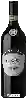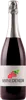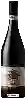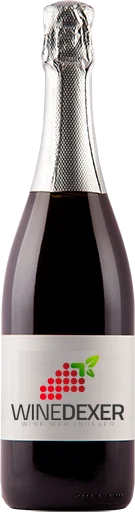
Winery LidlBrachetto d'Acqui
 Sparkling wine
This wine generally goes well with

Details and technical informations about Winery Lidl's Brachetto d'Acqui.
Discover the grape variety: La Crescent
Aromatic off-dry and dry whites with a pale golden colour, a supple palate with lively acidity and signature muscat aromas (rose, fresh grape), exotic fruits (apricot, passion fruit) and white flowers. Extremely cold-hardy. Grown in the northern United States (Minnesota, Wisconsin, Iowa) and Canada for continental viticultural climates. White hybrid variety obtained in 2002 by the University of Minnesota.
Informations about the Winery Lidl
The Winery Lidl is one of wineries to follow in Brachetto d'Acqui.. It offers 395 wines for sale in the of Brachetto d'Acqui to come and discover on site or to buy online.

The wine region of Brachetto d'Acqui
Piedmontese DOCG around Acqui Terme (Alessandria/Asti), aromatic Brachetto vinified alone. Signature sweet sparkling reds with pale ruby robe tinged with pink, fine delicate mousse, modest alcohol (5. 5-6. 5%): aromatic and indulgent with bright notes of fresh strawberry, raspberry, rose petal, violet, clove and musky touch — tender joyful palate.
The wine region of Piedmont
Kingdom of Nebbiolo: Barolo and Barbaresco DOCG, long-ageing reds with firm tannins and lively acidity, complex aromas of withered rose, sour cherry, tar, truffle and undergrowth. More accessible, tangy Barbera on red fruit, supple, crisp Dolcetto. Sweet, floral sparkling Moscato d'Asti, mineral, lemony Gavi (Cortese) white, round, almondy Arneis from Roero. 50,000 ha across the Langhe, Roero and Monferrato, UNESCO.
The word of the wine: Sulphites
Chemical compounds derived from sulphur (better known in the wine world as SO2) and used by winemakers for their antiseptic, antioxidant and antioxidant properties.