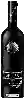
Winery LidlRomanian Pinot Noir
 Red wine


This wine generally goes well with pork, poultry or veal.

Food and wine pairings with Romanian Pinot Noir
Pairings that work perfectly with Romanian Pinot Noir



Original food and wine pairings with Romanian Pinot Noir


The Romanian Pinot Noir of Winery Lidl matches generally quite well with dishes of veal, pork or game (deer, venison) such as recipes of stuffed veal breast, old-fashioned pork roll or aiguillette of duck with honey.
Details and technical informations about Winery Lidl's Romanian Pinot Noir.
Discover the grape variety: Pinot noir
Elegant reds, light in colour with silky tannins, showing strawberry, cherry and raspberry aromas, evolving to forest floor, mushroom and spice with age. Fresh acidity, delicate finish. Star of the Côte d'Or (Romanée-Conti, Chambertin, Volnay), pillar of Champagne (Blanc de Noirs) and signature of Oregon, Central Otago and Sonoma Coast. An early-ripening Burgundian variety, one of the world's greatest.
Last vintages of this wine
The best vintages of Romanian Pinot Noir from Winery Lidl are 2017, 2018
Informations about the Winery Lidl
The Winery Lidl is one of wineries to follow in Dealu Mare.. It offers 395 wines for sale in the of Dealu Mare to come and discover on site or to buy online.

The wine region of Dealu Mare
Romania's most compact wine massif, south of the Carpathians on the 45th parallel (like Bordeaux). Signature Feteasca Neagra in red: a dense, structured Romanian native with signature notes of ripe plum, blackberry, violet, leather, tobacco and sweet spice, round tannins — a national identity. Also Bordeaux blends (firm Cabernet Sauvignon, supple Merlot) and fresh Pinot Noir. Peppery Syrah booming.
The word of the wine: Elegant
Said of a wine that, beyond balance, presents qualities of charm and harmony, without the slightest heaviness.