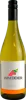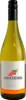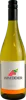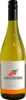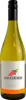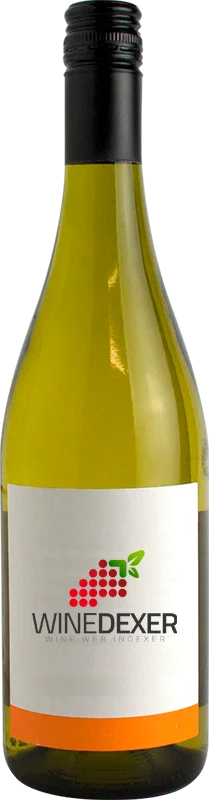
Winery LidlBalaton Kertje Rizling
 White wine



This wine generally goes well with pork, vegetarian or poultry.

Wine flavors and olphactive analysis

On the nose the Balaton Kertje Rizling of Winery Lidl in the region of Balaton often reveals types of flavors of pear, tree fruit.
Food and wine pairings with Balaton Kertje Rizling
Pairings that work perfectly with Balaton Kertje Rizling



Original food and wine pairings with Balaton Kertje Rizling



The Balaton Kertje Rizling of Winery Lidl matches generally quite well with dishes of pork, rich fish (salmon, tuna etc) or spicy food such as recipes of andouillette with mustard sauce, tuna flan with leek coulis or chicken curry (like in reunion island).
Details and technical informations about Winery Lidl's Balaton Kertje Rizling.
Discover the grape variety: Riesling
Crystalline, taut whites with vibrant acidity and aromas of citrus, green apple, white flowers, vineyard peach and mineral/petrol notes with age. Made as dry (Trocken, Alsace), off-dry (Kabinett, Spätlese) and sweet (Auslese, Beerenauslese, Trockenbeerenauslese, late harvest). Star of the Moselle, Rheingau, Alsace AOC and Wachau. Also exported to Clare Valley and Finger Lakes.
Last vintages of this wine
The best vintages of Balaton Kertje Rizling from Winery Lidl are 2019, 2018
Informations about the Winery Lidl
The Winery Lidl is one of of the world's great estates. It offers 395 wines for sale in the of Balaton to come and discover on site or to buy online.

The wine region of Balaton
Hungarian region around the largest lake in Central Europe, 6 zones including volcanic Badacsony. Signature Olaszrizling (Welschriesling), Hungary's most planted grape: lively, mineral whites with signature notes of almond, citrus, green apple, white flowers and a herbaceous touch, a crisp finish - a typical thirst-quenching wine. Also round Szürkebarát (Pinot Gris), ample Chardonnay, rare native Kéknyelű. Basalt in the north, lakeside climate.
The word of the wine: Tertiary aromas
Aromas resulting from the aging of the wine in the bottle. The aromas evolve with time, from fresh fruitiness to notes of stewed, candied or dried fruit, to aromas of venison or undergrowth.