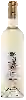
Top 100 natural sweet wines of Muscat de Beaumes de Venise

Discover the top 100 best natural sweet wines of Muscat de Beaumes de Venise of Rhône méridional as well as the best winemakers in the region. Explore the varietals of the natural sweet wines that are popular of Muscat de Beaumes de Venise and the best vintages to taste in this region.

Discovering the wine region of Muscat de Beaumes de Venise

The wine region of Muscat de Beaumes de Venise is located in the region of Beaumes-de-Venise of Rhone Valley of France. Wineries and vineyards like the Domaine Bernardins or the Domaine Alain Ignace produce mainly wines natural sweet, white and sweet. The most planted grape varieties in the region of Muscat de Beaumes de Venise are Chardonnay, Mourvèdre and Marsanne, they are then used in wines in blends or as a single variety. On the nose of Muscat de Beaumes de Venise often reveals types of flavors of pineapple, cheese or apples and sometimes also flavors of white peach, raisin or mint.

In the mouth of Muscat de Beaumes de Venise is a powerful with a nice freshness. We currently count 58 estates and châteaux in the of Muscat de Beaumes de Venise, producing 90 different wines in conventional, organic and biodynamic agriculture. The wines of Muscat de Beaumes de Venise go well with generally quite well with dishes of spicy food, sweet desserts or pork.

Discover the grape variety: Roussanne

Roussane is a white grape variety, planted on an area of more than 700 ha. Originally from Montélimar, it is also found in Savoie, Languedoc and Roussillon, and grows very well in calcareous, poor, stony soil. It prefers to be pruned short. Roussane is also called fromenteau, barbin or bergeron. The young leaves are bubbled with fine down. When adult, they become thicker. It flowers in June and matures in mid-September. The grapes are cylindrical in shape, the berries are small and turn red when ripe, and the wine produced from pure Roussane is of extraordinary quality. It has a delicate aroma reminiscent of coffee, honeysuckle, iris and peony. The taste of this wine improves with age. It is part of the blend of the appellations Vin-de-Savoie, Côtes-du-Vallée du Rhône or Châteauneuf-du-Pape.
Food and wine pairing with a natural sweet wine of Muscat de Beaumes de Venise

natural sweet wines from the region of Muscat de Beaumes de Venise go well with generally quite well with dishes of spicy food, sweet desserts or beef such as recipes of lamb shoulder confit, king's cake with frangipane or beef mironton.

Organoleptic analysis of natural sweet wine of Muscat de Beaumes de Venise

On the nose in the region of Muscat de Beaumes de Venise often reveals types of flavors of pineapple, cream or citrus and sometimes also flavors of peach, apricot or lemon.