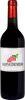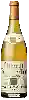
Domaine St RochMuscat de Beaumes de Venise Rouge
 Natural sweet wine
This wine generally goes well with
Details and technical informations about Domaine St Roch's Muscat de Beaumes de Venise Rouge.
Discover the grape variety: Béclan noir
Native variety of Franche Comté, formerly grown in Beaujolais. It is registered in the Official Catalogue of wine grape varieties, list A1.
Informations about the Domaine St Roch
The Domaine St Roch is one of wineries to follow in Muscat de Beaumes de Venise.. It offers 31 wines for sale in the of Muscat de Beaumes de Venise to come and discover on site or to buy online.

The wine region of Muscat de Beaumes de Venise
The wine region of Muscat de Beaumes de Venise is located in the region of Beaumes-de-Venise of Rhone Valley of France. Wineries and vineyards like the Domaine Bernardins or the Domaine Alain Ignace produce mainly wines natural sweet, white and sweet. The most planted grape varieties in the region of Muscat de Beaumes de Venise are Chardonnay, Mourvèdre and Marsanne, they are then used in wines in blends or as a single variety. On the nose of Muscat de Beaumes de Venise often reveals types of flavors of pineapple, cheese or apples and sometimes also flavors of white peach, raisin or mint.
The wine region of Rhone Valley
The Rhone Valley is a key wine-producing region in Southeastern France. It follows the North-south course of the Rhône for nearly 240 km, from Lyon to the Rhône delta (Bouches-du-Rhône), near the Mediterranean coast. The Length of the valley means that Rhône wines are the product of a wide variety of soil types and mesoclimates. The viticultural areas of the region cover such a distance that there is a widely accepted division between its northern and southern parts.
The word of the wine: Balance
Harmony of the different organoleptic elements of a wine. The balance is linked to the typicity of each wine. The sweetness of a sweet wine is an element of its balance, whereas a Sancerre or a Chablis will be asked to be lively and dry.