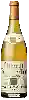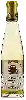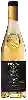
Winery Bernard Pere & FilsBlanc de Blancs Muscat de Beaumes de Venice
 Natural sweet wine
This wine generally goes well with

Details and technical informations about Winery Bernard Pere & Fils's Blanc de Blancs Muscat de Beaumes de Venice.
Discover the grape variety: Refosco dal Peduncolo rosso
Structured, intensely coloured reds with a deep ruby colour, firm tannins and dense palate, showing signature aromas of black fruits (blackberry, blackcurrant), plum, spices, Mediterranean herbs and balsamic notes. Good Friulian ageing potential. Star of the Colli Orientali del Friuli DOC and Friuli Aquileia DOC, making the great aged reds of Friuli. Native Italian black variety from Friuli, whose name evokes the red colour of the bunch stem.
Informations about the Winery Bernard Pere & Fils
The Winery Bernard Pere & Fils is one of of the world's greatest estates. It offers 14 wines for sale in the of Muscat de Beaumes de Venise to come and discover on site or to buy online.

The wine region of Muscat de Beaumes de Venise
Natural sweet wine AOC Vaucluse (1945) at the foot of the Dentelles de Montmirail: 100% Muscat à Petits Grains (white and black), fermentation stopped by mutage with alcohol preserving ~100 g/l residual sugar. Pale gold to golden yellow, intense and delicate nose of white flowers (rose, acacia), peach, apricot, candied citrus, tropical fruits and minty notes. Fresh, fruity and elegant palate, long persistence. Serve 6-9°C, aperitif and desserts.
The wine region of Rhone Valley
France's 2nd-largest AOC vineyard, two complementary worlds. Northern: pure Syrah in signature reds (Côte-Rôtie, Hermitage, Cornas), deep and peppery with blackberry, violet, black olive and smoked bacon notes, exceptional ageing. Opulent Viognier whites (Condrieu, apricot, flowers) and ample Marsanne-Roussanne. Southern: sun-soaked Grenache blends at Châteauneuf, Gigondas, Vacqueyras (candied fruit, garrigue).
The word of the wine: Biodynamics
Biodynamic farming method initiated by Rudolf Steiner which forbids all chemical treatments based on synthetic products. Biodynamics is based on the interaction between the movements of the planets and the development of plants and uses preparations based on organic and mineral materials.