The Winery Abbazia di S. Gaudenzio of Piedmont
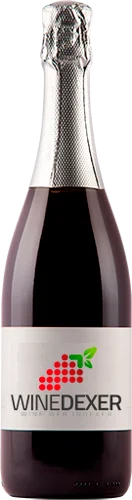
The Winery Abbazia di S. Gaudenzio is one of the world's great estates. It offers 88 wines for sale in of Piedmont to come and discover on site or to buy online.
Looking for the best Winery Abbazia di S. Gaudenzio wines in Piedmont among all the wines in the region? Check out our tops of the best red, white or effervescent Winery Abbazia di S. Gaudenzio wines. Also find some food and wine pairings that may be suitable with the wines from this area. Learn more about the region and the Winery Abbazia di S. Gaudenzio wines with technical and enological descriptions.
How Winery Abbazia di S. Gaudenzio wines pair with each other generally quite well with dishes of shellfish, vegetarian or appetizers and snacks such as recipes of cassolettes of scallops, ham and comté quiche or verrine of beetroot and saint moret.
On the nose the sparkling wine of Winery Abbazia di S. Gaudenzio. often reveals types of flavors of apples, pear or stone and sometimes also flavors of stone fruit, yeast or earth. In the mouth the sparkling wine of Winery Abbazia di S. Gaudenzio. is a with a nice vivacity and a fine and pleasant bubble.
Piedmont (Piemonte) holds an unrivalled place among the world's finest wine regions. Located in northwestern Italy, it is home to more DOCG wines than any other Italian region, including such well-known and respected names as Barolo, Barbaresco and Barbera d'Asti. Though famous for its Austere, Tannic, Floral">floral reds made from Nebbiolo, Piedmont's biggest success story in the past decade has been Moscato d'Asti, a Sweet, Sparkling white wine. Piedmont Lies, as its name suggests, at the foot of the Western Alps, which encircle its northern and western sides and form its naturally formidable border with Provence, France.
To the southeast are the Apennines, the most northerly. These low coastal hills separate Piedmont from its Long, thin neighbour, Liguria, and from the Mediterranean beyond. The Alps and the Apennines are important here in many ways. They are largely responsible for the region's favourable climate and for many centuries they provided a degree of protection against invasion.
How Winery Abbazia di S. Gaudenzio wines pair with each other generally quite well with dishes of beef, pasta or lamb such as recipes of beef stew provencal style, pasta with peas and bacon or oriental lamb skewers.
On the nose the red wine of Winery Abbazia di S. Gaudenzio. often reveals types of flavors of cherry, earthy or vanilla and sometimes also flavors of leather, cranberry or non oak. In the mouth the red wine of Winery Abbazia di S. Gaudenzio. is a powerful with a nice balance between acidity and tannins.
How Winery Abbazia di S. Gaudenzio wines pair with each other generally quite well with dishes such as recipes .
In Champagne, it is the art of blending still wines from different grape varieties (pinot meunier, pinot noir, chardonnay), from different terroirs (villages, areas) and often from different years. The incorporation of older wines, called reserve wines, allows for greater aromatic complexity.
How Winery Abbazia di S. Gaudenzio wines pair with each other generally quite well with dishes of pasta, shellfish or mature and hard cheese such as recipes of pasta with avocado, barbecued lobster or pasta gratin with comté cheese.
On the nose the white wine of Winery Abbazia di S. Gaudenzio. often reveals types of flavors of earth, tree fruit. In the mouth the white wine of Winery Abbazia di S. Gaudenzio. is a with a nice freshness.
Originally from Italy, it is the famous Sangiovese of Tuscany producing the famous wines of Brunello de Montalcino and Chianti. This variety is registered in the Official Catalogue of Wine Grape Varieties, list A1. According to recent genetic analysis, it is the result of a natural cross between the almost unknown Calabrese di Montenuovo (mother) and Ciliegiolo (father).
Planning a wine route in the of Piedmont? Here are the wineries to visit and the winemakers to meet during your trip in search of wines similar to Winery Abbazia di S. Gaudenzio.
It has been cultivated for a very long time in northern Italy, but in France it is hardly known. It should not be confused with corvina, another Italian grape variety that is very present in the same region, both of which are most often associated with rondinella and molinara.