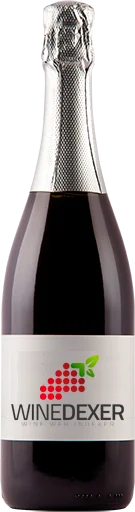
Winery Abbazia di S. GaudenzioAsti
 Sparkling wine



This wine generally goes well with sweet desserts

Food and wine pairings with Asti
Pairings that work perfectly with Asti

Original food and wine pairings with Asti
The Asti of Winery Abbazia di S. Gaudenzio matches generally quite well with dishes of sweet desserts such as recipes of the coughing cat's apple crumble.
Details and technical informations about Winery Abbazia di S. Gaudenzio's Asti.
Discover the grape variety: Gravesina
Simple, fresh dry grey-whites with a pale pink robe with copper skin, a supple palate with moderate acidity on undemonstrative citrus and white flower aromas. Discreet rustic profile. Preserved in a few ampelographic collections, it belongs to the ancient varieties with patrimonial value whose commercial diffusion has virtually disappeared and which are studied for their genetic interest. Rare and poorly documented grey variety, grown in confidential quantities.
Last vintages of this wine
The best vintages of Asti from Winery Abbazia di S. Gaudenzio are 1999, 0
Informations about the Winery Abbazia di S. Gaudenzio
The Winery Abbazia di S. Gaudenzio is one of of the world's great estates. It offers 86 wines for sale in the of Asti to come and discover on site or to buy online.

The wine region of Asti
Italian capital of sweet, aromatic sparklers. Signature Asti DOCG: light, muscat-scented sparklers from Moscato Bianco with signature notes of fresh grape, peach, apricot, orange blossom and sage, opulent yet balanced sweetness, low alcohol (~7%) — a dessert treat. Moscato d'Asti a more delicate, slightly fizzy (frizzante) version. Also lively, fruity Barbera reds, peppery Grignolino and sweet, musky Brachetto d'Acqui.
The wine region of Piedmont
Kingdom of Nebbiolo: Barolo and Barbaresco DOCG, long-ageing reds with firm tannins and lively acidity, complex aromas of withered rose, sour cherry, tar, truffle and undergrowth. More accessible, tangy Barbera on red fruit, supple, crisp Dolcetto. Sweet, floral sparkling Moscato d'Asti, mineral, lemony Gavi (Cortese) white, round, almondy Arneis from Roero. 50,000 ha across the Langhe, Roero and Monferrato, UNESCO.
The word of the wine: Oenologist
Specialist in wine-making techniques. It is a profession and not a passion: one can be an oenophile without being an oenologist (and the opposite too!). Formerly attached to the Faculty of Pharmacy, oenology studies have become independent and have their own university course. Learning to make wine requires a good chemical background but also, increasingly, a good knowledge of the plant. Some oenologists work in laboratories (analysis). Others, the consulting oenologists, work directly in the properties.


