The Winery Stefano Amerighi of Cortona of Tuscany
The Winery Stefano Amerighi is one of the best wineries to follow in Cortona.. It offers 9 wines for sale in of Cortona to come and discover on site or to buy online.
Looking for the best Winery Stefano Amerighi wines in Cortona among all the wines in the region? Check out our tops of the best red, white or effervescent Winery Stefano Amerighi wines. Also find some food and wine pairings that may be suitable with the wines from this area. Learn more about the region and the Winery Stefano Amerighi wines with technical and enological descriptions.
How Winery Stefano Amerighi wines pair with each other generally quite well with dishes of beef, lamb or veal such as recipes of chinese fondue, lamb chops with spanish sauce or duck breast with black figs.
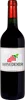
On the nose the red wine of Winery Stefano Amerighi. often reveals types of flavors of cherry, oaky or smoke and sometimes also flavors of earthy, blackberry or blueberry. In the mouth the red wine of Winery Stefano Amerighi. is a powerful with a nice freshness.
The wine region of Cortona is located in the region of Toscane of Italy. Wineries and vineyards like the Domaine Cantina Doveri or the Domaine La Braccesca produce mainly wines red, white and sweet. The most planted grape varieties in the region of Cortona are Sangiovese, Merlot and Cabernet-Sauvignon, they are then used in wines in blends or as a single variety. On the nose of Cortona often reveals types of flavors of cream, red cherry or earth and sometimes also flavors of microbio, vegetal or oak.
In the mouth of Cortona is a powerful with a nice freshness. We currently count 37 estates and châteaux in the of Cortona, producing 89 different wines in conventional, organic and biodynamic agriculture. The wines of Cortona go well with generally quite well with dishes of beef, lamb or veal.
How Winery Stefano Amerighi wines pair with each other generally quite well with dishes of pasta, vegetarian or appetizers and snacks such as recipes of cannelloni of meat, quiche without pastry or tempura of vegetables and quick.
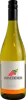
In the mouth the white wine of Winery Stefano Amerighi. is a with a nice freshness.
Portuguese, an ancient grape variety cultivated in particular in the Minho region and on the island of Madeira. It should not be confused with the cerceal branco and cerceal du Dâo, which are also related to the ramisco, trincadeira from Alentejo, alvarelhâo from Douro, etc. The Sercial can be found in Portugal, Spain, Italy, Bulgaria, Ukraine, Crimea, Russia, Argentina, South Africa, ... little known in France.
How Winery Stefano Amerighi wines pair with each other generally quite well with dishes of beef, lamb or spicy food such as recipes of beef goulash, oriental lamb skewers or chicken tagine with apricots.
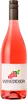
On the nose the pink wine of Winery Stefano Amerighi. often reveals types of flavors of non oak, earth or oak and sometimes also flavors of red fruit.
International Organisation of Vine and Wine. Intergovernmental organization studying the technical, scientific or economic questions raised by the culture of the vine and the production of wine.
Planning a wine route in the of Cortona? Here are the wineries to visit and the winemakers to meet during your trip in search of wines similar to Winery Stefano Amerighi.
Bourboulenc is mainly grown in the southern part of France. It is a white grape variety that ripens quite late. It can only be harvested around 25 September and for an average of only one month. Bourboulenc is particularly fond of low-lying, but at the same time warm and dry locations. The aroma of this grape variety is not very pronounced, but it has a certain exotic fruit and floral aroma such as broom. The result is a low alcohol wine with subtle and fleeting aromas. Blanquette, bourboulanc, bourboulenque, doucillon, clairette dorée and clairette blanche are all names that can designate bourboulenc. This grape variety is very sensitive to diseases common to all vine plants such as magnesium deficiency, mildew and oidium. Bourboulenc can be used as a table grape. Most French people keep the bunches until Christmas in order to present them on the festive table as desserts.