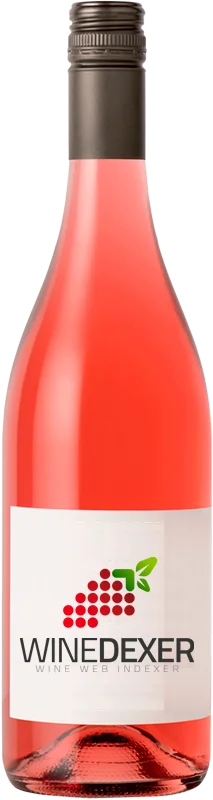
Winery Stefano AmerighiSyrosá Rosato
 Pink wine


This wine generally goes well with beef, lamb or mature and hard cheese.
Wine flavors and olphactive analysis

Food and wine pairings with Syrosá Rosato
Pairings that work perfectly with Syrosá Rosato



Original food and wine pairings with Syrosá Rosato

The Syrosá Rosato of Winery Stefano Amerighi matches generally quite well with dishes of beef, lamb or spicy food such as recipes of beef tongue with mushrooms, lamb curry or lentil soup with carrots and coconut milk.
Details and technical informations about Winery Stefano Amerighi's Syrosá Rosato.
Discover the grape variety: Marsanne
Marsanne is a white grape variety that originated in Montélimar in the Drôme, several centuries ago. Marsanne is also found in Cassis, Savoie, Languedoc-Roussillon and Saint-Péray in the Ardèche, where it produces remarkable sparkling wines. The warm, sunny climate of the Rhone Valley, Languedoc-Roussillon and Provence, as well as the dry, stony soil, are ideal conditions for its development. Its bunches are quite large and provide small, juicy berries that are sensitive to grey rot and strong winds. These two grape varieties complement each other perfectly: together they give light wines with little acidity, aromas of yellow fruit, white fruit and flowers with notes of honey and liquorice. This is for example what the appellations Saint-Péray, Hermitage, Crozes-Hermitage, Saint-Joseph, Côtes-du-Vallée du Rhône, Corbières, or Cassis express... which represent about 700 hectares.
Last vintages of this wine

The best vintages of Syrosá Rosato from Winery Stefano Amerighi are 2017, 0, 2016, 2018
Informations about the Winery Stefano Amerighi
The Winery Stefano Amerighi is one of of the world's greatest estates. It offers 9 wines for sale in the of Tuscany to come and discover on site or to buy online.

The wine region of Tuscany
Tuscany is one of the most famous and prolific wine regions in Europe. It is best known for its Dry red wines made from Sangiovese grapes, which dominate production. These include Chianti, Brunello di Montalcino and Vino Nobile di Montepulciano. The region's Vin Santo is also highly prized, as are its passito dessert wines, though these are produced in comparatively tiny quantities.
The word of the wine: ODG
Organisation for the defence and management of wine, set up following the reform of the "syndicats de crus". The ODG is the collective organisation responsible for the defence and management of a product under an official sign of identification and quality and between wine appellations.