The Winery Neleman of Valence
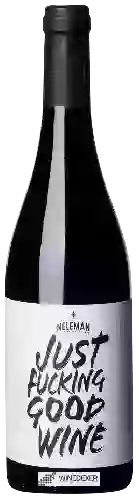
The Winery Neleman is one of the best wineries to follow in Valence.. It offers 48 wines for sale in of Valence to come and discover on site or to buy online.
Looking for the best Winery Neleman wines in Valence among all the wines in the region? Check out our tops of the best red, white or effervescent Winery Neleman wines. Also find some food and wine pairings that may be suitable with the wines from this area. Learn more about the region and the Winery Neleman wines with technical and enological descriptions.
How Winery Neleman wines pair with each other generally quite well with dishes of beef, pasta or veal such as recipes of southern beef meatballs, pasta with scamorza and pancetta cheese or veal chop with mushrooms.
On the nose the red wine of Winery Neleman. often reveals types of flavors of oaky, earthy or blueberry and sometimes also flavors of licorice, plum or leather. In the mouth the red wine of Winery Neleman. is a powerful with a nice balance between acidity and tannins.
Valencia is a province in the centre of Spain's sunny east coast, perhaps better known for its oranges (and paella) than its wine. The administrative Center of Valencia is the city of the same name, the third largest in Spain and the largest port on the Mediterranean. Archaeological evidence suggests that wine making in Valencia dates back more than a thousand years, but the region has never been particularly prominent on the world wine map. In modern times, Valencia's wine production has focused on quantity rather than quality, although this is gradually changing.
In addition to the DO Valencia title, this province is also home to the Denominación de Origen Utiel-Requena. The laws relating to DO Valencia are overseen by the local Consejo Regulador (wine authority), established in 1957. The Valencia DO wine title covers 13,000 hectares (32,000 acres), unevenly divided between two distinct geographical areas. The smaller area, Clarino, is about 65 kilometers (40 miles) southwest of the city of Valencia, bordering the northern boundary of the Alicante DO area.
How Winery Neleman wines pair with each other generally quite well with dishes of shellfish, vegetarian or goat cheese such as recipes of spaghetti with clams, quiche with bacon and gruyère cheese or tomato and goat cheese mushroom tart.
On the nose the white wine of Winery Neleman. often reveals types of flavors of earth, citrus fruit or non oak and sometimes also flavors of microbio, oak or tropical fruit. In the mouth the white wine of Winery Neleman. is a with a nice freshness.
White Riesling is a grape variety that originated in France (Alsace). It produces a variety of grape specially used for the elaboration of wine. It is rare to find this grape to eat on our tables. This variety of grape is characterized by small bunches, and small grapes. White Riesling can be found in many vineyards: Alsace, Loire Valley, Languedoc & Roussillon, Lorraine, Provence & Corsica, Rhone Valley, Savoie & Bugey, Beaujolais, South West.
How Winery Neleman wines pair with each other generally quite well with dishes of shellfish, appetizers and snacks or lean fish such as recipes of sea sauerkraut with white wine, prunes with bacon or roast monkfish with bacon.
On the nose the sparkling wine of Winery Neleman. often reveals types of flavors of microbio, tree fruit. In the mouth the sparkling wine of Winery Neleman. is a with a nice vivacity and a fine and pleasant bubble.
Said of a wine with exacerbated acidity.
How Winery Neleman wines pair with each other generally quite well with dishes of beef, lamb or pork such as recipes of provencal stew, lamb tagine with honey and onions or roast pork with milk.
On the nose the pink wine of Winery Neleman. often reveals types of flavors of red fruit.
Planning a wine route in the of Valence? Here are the wineries to visit and the winemakers to meet during your trip in search of wines similar to Winery Neleman.
Marsanne is a white grape variety that originated in Montélimar in the Drôme, several centuries ago. Marsanne is also found in Cassis, Savoie, Languedoc-Roussillon and Saint-Péray in the Ardèche, where it produces remarkable sparkling wines. The warm, sunny climate of the Rhone Valley, Languedoc-Roussillon and Provence, as well as the dry, stony soil, are ideal conditions for its development. Its bunches are quite large and provide small, juicy berries that are sensitive to grey rot and strong winds. These two grape varieties complement each other perfectly: together they give light wines with little acidity, aromas of yellow fruit, white fruit and flowers with notes of honey and liquorice. This is for example what the appellations Saint-Péray, Hermitage, Crozes-Hermitage, Saint-Joseph, Côtes-du-Vallée du Rhône, Corbières, or Cassis express... which represent about 700 hectares.