The Winery La Gioiosa of Prosecco di Treviso of Veneto
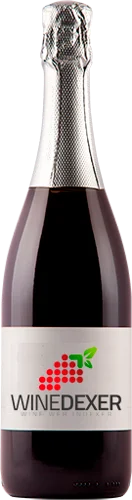
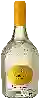
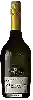
The Winery La Gioiosa is one of the best wineries to follow in Prosecco di Treviso.. It offers 79 wines for sale in of Prosecco di Treviso to come and discover on site or to buy online.
Looking for the best Winery La Gioiosa wines in Prosecco di Treviso among all the wines in the region? Check out our tops of the best red, white or effervescent Winery La Gioiosa wines. Also find some food and wine pairings that may be suitable with the wines from this area. Learn more about the region and the Winery La Gioiosa wines with technical and enological descriptions.
How Winery La Gioiosa wines pair with each other generally quite well with dishes of shellfish, vegetarian or appetizers and snacks such as recipes of monkfish tail with coconut milk and curry, ham and comté quiche or baked tortilla.
On the nose the sparkling wine of Winery La Gioiosa. often reveals types of flavors of pineapple, cream or grapefruit and sometimes also flavors of citrus, apples or peach. In the mouth the sparkling wine of Winery La Gioiosa. is a with a nice vivacity and a fine and pleasant bubble.
The wine region of Prosecco di Treviso is located in the region of Prosecco of Vénétie of Italy. Wineries and vineyards like the Domaine Invivo or the Domaine La Gioiosa produce mainly wines sparkling. The most planted grape varieties in the region of Prosecco di Treviso are Glera et Raboso Piave, they are then used in wines in blends or as a single variety. On the nose of Prosecco di Treviso often reveals types of flavors of citrus, ginger or black fruit and sometimes also flavors of orange peel, toasted almonds or elderflower.
In the mouth of Prosecco di Treviso is a with a nice vivacity and a fine and pleasant bubble. We currently count 401 estates and châteaux in the of Prosecco di Treviso, producing 646 different wines in conventional, organic and biodynamic agriculture. The wines of Prosecco di Treviso go well with generally quite well with dishes of shellfish, vegetarian or appetizers and snacks.
How Winery La Gioiosa wines pair with each other generally quite well with dishes of beef, pasta or lamb such as recipes of pot roast, pasta with alfredo sauce or moroccan style leg of lamb.
In the mouth the red wine of Winery La Gioiosa. is a powerful with a lot of tannins present in the mouth.
Very old vine cultivated in Italy, in Sicily it would carry the name of grecanico dorato and in Spain would be the malvasia mauresa... . It can be found in the United States, but in France it is almost unknown. It should be noted that its bunches resemble somewhat those of the ugni blanc or trebbiano toscano and it would be related to the verdicchio blanco.
How Winery La Gioiosa wines pair with each other generally quite well with dishes of shellfish, vegetarian or mushrooms such as recipes of easy seafood gratin, quiche with bacon and gruyère cheese or simple veal sauté.
On the nose the white wine of Winery La Gioiosa. often reveals types of flavors of tree fruit, tropical fruit. In the mouth the white wine of Winery La Gioiosa. is a powerful.
Acidity resulting essentially from alcoholic fermentation and formed from acetic acids in the free state.
How Winery La Gioiosa wines pair with each other generally quite well with dishes of veal, shellfish or poultry such as recipes of dafina, parsley knives or caramel chicken.
A very old variety known and cultivated more precisely in the north-east of Italy in the Veneto region (provinces of Treviso, Padua, Venice, etc.), not to be confused with Raboso Veronese, which is the result of an intraspecific cross between Raboso Piave and Marzemina Bianca. Raboso Piave is practically unknown in other wine-producing countries.
Planning a wine route in the of Prosecco di Treviso? Here are the wineries to visit and the winemakers to meet during your trip in search of wines similar to Winery La Gioiosa.
Müller-Thurgau shows the character of its noble origins. This Swiss white grape variety is a cross between the royal madeleine and the riesling. The idea that the latter was crossed with the sylvaner is irrelevant. The variety can be recognized by its vigorous character and its semi-erect habit. Preferring rich soils and short prunings, the plant sees its buds open quite early. The buds are cottony and soft green in color. The slightly embossed and tormented blade, with 5 to 7 lobes, makes it possible to distinguish the adult leaves. The clusters appear compact, pyramidal or cylindrical in shape and small to medium in size. The flavour of the Müller-Turgau berries is reminiscent of Muscat. The juicy and crunchy pulp is revealed under a greyish skin. When ripe, the fruit has a mottled shell on a golden yellow background. Switzerland prefers to extract the juice from this variety. The wine made from it is rather heavy and does not keep well.