The Chateau Jonc-Blanc of Guyenne of South West
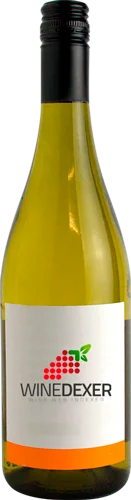
The Chateau Jonc-Blanc is one of the world's great estates. It offers 33 wines for sale in of Guyenne to come and discover on site or to buy online.
Looking for the best Chateau Jonc-Blanc wines in Guyenne among all the wines in the region? Check out our tops of the best red, white or effervescent Chateau Jonc-Blanc wines. Also find some food and wine pairings that may be suitable with the wines from this area. Learn more about the region and the Chateau Jonc-Blanc wines with technical and enological descriptions.
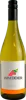
How Chateau Jonc-Blanc wines pair with each other generally quite well with dishes of rich fish (salmon, tuna etc), shellfish or sweet desserts such as recipes of sardines with escabeche, fish shells or very simple muffins.
On the nose the white wine of Chateau Jonc-Blanc. often reveals types of flavors of apples, honey or mango and sometimes also flavors of earth, tree fruit or tropical fruit. In the mouth the white wine of Chateau Jonc-Blanc. is a .
45 kilometres east of Bordeaux, Blasimon is perched on a hillside overlooking the Gamage, a tributary of the Dordogne. Its hilly sites and its calm make it an ideal place to relax. A Village of medieval origin, its origin reflects the traditional organization of the bastides. The city conceals one of the Romanesque jewels of the Gironde, the Benedictine abbey of the X-XIII th centuries.
Also worth seeing are the medieval mills of Labarthe and Borie, the remains of the feudal Castle of Blasimon, the manor house of Pousse-Bourre, the church of Piis and the ruins of the Bonne Nouvelle chapel. The Cave Coopérative was created in 1935 and brings together winegrowers who have owned properties that have been handed down for several generations. It has a production capacity of 56,000 hectolitres of red wines with the "Bordeaux" appellation and white wines with the "Bordeaux" and "Entre-deux-Mers" appellations. Throughout the year, the Vine is surrounded by intensive care, the culture is always done according to very precise rules.
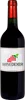
How Chateau Jonc-Blanc wines pair with each other generally quite well with dishes of beef, pork or game (deer, venison) such as recipes of beer goulash, coconut beans or autumn duck aiguillette.
On the nose the red wine of Chateau Jonc-Blanc. often reveals types of flavors of black fruit, leather or black currant and sometimes also flavors of earth, oak or spices. In the mouth the red wine of Chateau Jonc-Blanc. is a powerful with a nice balance between acidity and tannins.
How Chateau Jonc-Blanc wines pair with each other generally quite well with dishes of shellfish, appetizers and snacks or lean fish such as recipes of spanish seafood paella, twists with anchovies or fillets of saint-pierre with cream.
Acidity resulting essentially from alcoholic fermentation and formed from acetic acids in the free state.
How Chateau Jonc-Blanc wines pair with each other generally quite well with dishes of beef, lamb or rich fish (salmon, tuna etc) such as recipes of scottish haggis, lamb stew with yoghurt and coriander or mackerel in white wine.
On the nose the sparkling wine of Chateau Jonc-Blanc. often reveals types of flavors of strawberries, tree fruit or red fruit.
Sémillon blanc is a grape variety that originated in France (Bordeaux). It produces a variety of grape specially used for wine making. It is rare to find this grape to eat on our tables. Note that this grape variety can also be used for the elaboration of eaux de vie. This variety of vine is characterized by large bunches of grapes, and grapes of large size. Sémillon Blanc can be found in several vineyards: South-West, Languedoc & Roussillon, Cognac, Bordeaux, Armagnac, Provence & Corsica, Loire Valley, Rhone Valley, Savoie & Bugey, Beaujolais.
Planning a wine route in the of Guyenne? Here are the wineries to visit and the winemakers to meet during your trip in search of wines similar to Chateau Jonc-Blanc.
Cabernet Franc is one of the oldest red grape varieties in Bordeaux. The Libourne region is its terroir where it develops best. The terroirs of Saint-Emilion and Fronsac allow it to mature and develop its best range of aromas. It is also the majority in many blends. The very famous Château Cheval Blanc, for example, uses 60% Cabernet Franc. The wines produced with Cabernet Franc are medium in colour with fine tannins and subtle aromas of small red fruits and spices. When blended with Merlot and Cabernet Sauvignon, it brings complexity and a bouquet of aromas to the wine. It produces fruity wines that can be drunk quite quickly, but whose great vintages can be kept for a long time. It is an earlier grape variety than Cabernet Sauvignon, which means that it is planted as far north as the Loire Valley. In Anjou, it is also used to make sweet rosé wines. Cabernet Franc is now used in some twenty countries in Europe and throughout the world.