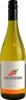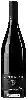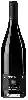
Winery H. J. KreuzbergSpätburgunder
 Red wine



In the mouth this red wine is a with a nice freshness.
This wine generally goes well with poultry, beef or veal.
Taste structure of the Spätburgunder from the Winery H. J. Kreuzberg
Light | Bold | |
Smooth | Tannic | |
Dry | Sweet | |
Soft | Acidic |
In the mouth the Spätburgunder of Winery H. J. Kreuzberg in the region of Ahr is a with a nice freshness.
Wine flavors and olphactive analysis




On the nose the Spätburgunder of Winery H. J. Kreuzberg in the region of Ahr often reveals types of flavors of non oak, earth or microbio and sometimes also flavors of oak, red fruit or black fruit.
Food and wine pairings with Spätburgunder
Pairings that work perfectly with Spätburgunder



Original food and wine pairings with Spätburgunder

The Spätburgunder of Winery H. J. Kreuzberg matches generally quite well with dishes of beef, veal or game (deer, venison) such as recipes of navarin of the sea da gigi, meatballs catalan style or rabbit with mustard in foil.
Details and technical informations about Winery H. J. Kreuzberg's Spätburgunder.
Discover the grape variety: Dattier de Saint Vallier
Interspecific crossing obtained by Seyve-Villard between the 6468 Seibel and the Panse de Provence. This direct-producing hybrid is practically no longer multiplied, but can still be found among amateur gardeners or collectors.
Last vintages of this wine
The best vintages of Spätburgunder from Winery H. J. Kreuzberg are 2017, 2016, 0, 2018 and 2015.
Informations about the Winery H. J. Kreuzberg
The Winery H. J. Kreuzberg is one of of the world's greatest estates. It offers 38 wines for sale in the of Ahr to come and discover on site or to buy online.

The wine region of Ahr
Ahr is one of Germany’s least-known and Northernmost wine regions, known for its Pinot Noir reds. It Lies immediately north of the Mosel, and follows the Ahr River in the Final stages of its journey towards its confluence with the Rhein. One might expect a wine region this far north (50°N) to specialize in white wines – like almost every other cool-Climate wine region. After all, neighboring Mosel and Mittelrhein both clearly favor white wines (around 85 percent).
The word of the wine: Malic (acid)
An acid that occurs naturally in many wines and is transformed into lactic acid during malolactic fermentation.