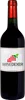
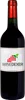
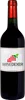
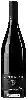
Winery H. J. KreuzbergSpätburgunder Devonschiefer
 Red wine



In the mouth this red wine is a with a nice freshness.
This wine generally goes well with poultry, beef or veal.
The Spätburgunder Devonschiefer of the Winery H. J. Kreuzberg is in the top 20 of wines of Ahr.

Taste structure of the Spätburgunder Devonschiefer from the Winery H. J. Kreuzberg
Light | Bold | |
Smooth | Tannic | |
Dry | Sweet | |
Soft | Acidic |
In the mouth the Spätburgunder Devonschiefer of Winery H. J. Kreuzberg in the region of Ahr is a with a nice freshness.
Wine flavors and olphactive analysis





On the nose the Spätburgunder Devonschiefer of Winery H. J. Kreuzberg in the region of Ahr often reveals types of flavors of cream, cherry or oaky and sometimes also flavors of blackberry, minerality or red fruit.
Food and wine pairings with Spätburgunder Devonschiefer
Pairings that work perfectly with Spätburgunder Devonschiefer



Original food and wine pairings with Spätburgunder Devonschiefer

The Spätburgunder Devonschiefer of Winery H. J. Kreuzberg matches generally quite well with dishes of beef, veal or game (deer, venison) such as recipes of beef coarse salt, chicken in sauce or whole duck casserole with white wine.
Details and technical informations about Winery H. J. Kreuzberg's Spätburgunder Devonschiefer.
Discover the grape variety: Premetta
Light, delicate high-altitude reds with a clear ruby colour, silky tannins and an airy palate, with signature aromas of small red fruits (wild strawberry, raspberry), gentle spices and alpine floral notes. Often vinified as a single variety. A signature wine of the high-altitude Aosta Valley, typical expression of an alpine mountain terroir. Black variety from the Aosta Valley, also called Prié rouge, the red counterpart of Prié blanc.
Last vintages of this wine
The best vintages of Spätburgunder Devonschiefer from Winery H. J. Kreuzberg are 2017, 2011, 2018, 2016 and 2009.
Informations about the Winery H. J. Kreuzberg
The Winery H. J. Kreuzberg is one of of the world's greatest estates. It offers 38 wines for sale in the of Ahr to come and discover on site or to buy online.

The wine region of Ahr
Small German valley south of Bonn, the country's largest contiguous single red-grape zone. Signature Spatburgunder (Pinot Noir) (>60%): elegant, structured reds with signature notes of cherry, raspberry, wild strawberry, undergrowth and sweet spice, silky tannins and taut freshness — Burgundian style in an improbable climate. Also early Fruhburgunder, fleshier. ~560 ha on steep slopes over schist and slate, sheltered temperate microclimate.
The word of the wine: Aragnan
A very rare white grape variety that can be found in the blends of the Palette appellation (Provence).