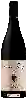
The Cave Saint Désirat of Saint-Joseph of Rhone Valley
The Cave Saint Désirat is one of the world's great estates. It offers 60 wines for sale in of Saint-Joseph to come and discover on site or to buy online.
Looking for the best Cave Saint Désirat wines in Saint-Joseph among all the wines in the region? Check out our tops of the best red, white or effervescent Cave Saint Désirat wines. Also find some food and wine pairings that may be suitable with the wines from this area. Learn more about the region and the Cave Saint Désirat wines with technical and enological descriptions.
How Cave Saint Désirat wines pair with each other generally quite well with dishes of beef, lamb or game (deer, venison) such as recipes of ramen burger, lamb tagine with prunes or veal head with vinaigrette.
On the nose the red wine of Cave Saint Désirat. often reveals types of flavors of non oak, microbio or oak and sometimes also flavors of cherry, oaky or butter. In the mouth the red wine of Cave Saint Désirat. is a powerful with a nice balance between acidity and tannins.
The wine region of Saint-Joseph is located in the region of Rhône septentrional of Rhone Valley of France. Wineries and vineyards like the Domaine Yves Gangloff or the Domaine E. Guigal produce mainly wines red and white. The most planted grape varieties in the region of Saint-Joseph are Marsanne, Roussanne and Mourvèdre, they are then used in wines in blends or as a single variety.
On the nose of Saint-Joseph often reveals types of flavors of cream, orange peel or prune and sometimes also flavors of brioche, nutty or green apple. In the mouth of Saint-Joseph is a powerful with a nice freshness. We currently count 298 estates and châteaux in the of Saint-Joseph, producing 732 different wines in conventional, organic and biodynamic agriculture. The wines of Saint-Joseph go well with generally quite well with dishes of beef, lamb or game (deer, venison).
How Cave Saint Désirat wines pair with each other generally quite well with dishes of pork, rich fish (salmon, tuna etc) or mature and hard cheese such as recipes of pan-fried carrots, tuna lasagna or chard with meat and mustard.
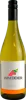
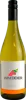
On the nose the white wine of Cave Saint Désirat. often reveals types of flavors of oaky, peach or butter and sometimes also flavors of minerality, apricot or pear. In the mouth the white wine of Cave Saint Désirat. is a powerful.
Grenache noir is a grape variety that originated in Spain. It produces a variety of grape specially used for the elaboration of wine. It is rare to find this grape to eat on our tables. This variety of grape is characterized by medium to large bunches, and grapes of medium size. Grenache noir can be found in many vineyards: South West, Cognac, Bordeaux, Provence & Corsica, Languedoc & Roussillon, Rhone Valley, Loire Valley, Savoie & Bugey, Beaujolais.
How Cave Saint Désirat wines pair with each other generally quite well with dishes of beef, lamb or spicy food such as recipes of alsatian bäckeoffe, lamb shoulder confit or pho soup.
Qualifier of smells close to those of smoked food, characteristic, among other things, of the Sauvignon grape variety; hence the name of smoked white given to this variety.
Planning a wine route in the of Saint-Joseph? Here are the wineries to visit and the winemakers to meet during your trip in search of wines similar to Cave Saint Désirat.
Roussane is a white grape variety, planted on an area of more than 700 ha. Originally from Montélimar, it is also found in Savoie, Languedoc and Roussillon, and grows very well in calcareous, poor, stony soil. It prefers to be pruned short. Roussane is also called fromenteau, barbin or bergeron. The young leaves are bubbled with fine down. When adult, they become thicker. It flowers in June and matures in mid-September. The grapes are cylindrical in shape, the berries are small and turn red when ripe, and the wine produced from pure Roussane is of extraordinary quality. It has a delicate aroma reminiscent of coffee, honeysuckle, iris and peony. The taste of this wine improves with age. It is part of the blend of the appellations Vin-de-Savoie, Côtes-du-Vallée du Rhône or Châteauneuf-du-Pape.