The Winery Baron d'Arignac of Languedoc-Roussillon
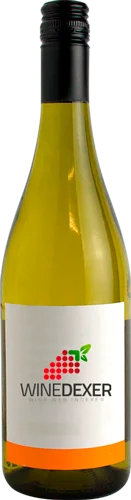
The Winery Baron d'Arignac is one of the best wineries to follow in Languedoc-Roussillon.. It offers 37 wines for sale in of Languedoc-Roussillon to come and discover on site or to buy online.
Looking for the best Winery Baron d'Arignac wines in Languedoc-Roussillon among all the wines in the region? Check out our tops of the best red, white or effervescent Winery Baron d'Arignac wines. Also find some food and wine pairings that may be suitable with the wines from this area. Learn more about the region and the Winery Baron d'Arignac wines with technical and enological descriptions.
How Winery Baron d'Arignac wines pair with each other generally quite well with dishes of pasta, vegetarian or poultry such as recipes of lasagne with two salmons, spinach and goat cheese quiche or royal couscous (lamb, chicken, merguez).
On the nose the white wine of Winery Baron d'Arignac. often reveals types of flavors of grapefruit, citrus or tree fruit and sometimes also flavors of citrus fruit, cherry or peach. In the mouth the white wine of Winery Baron d'Arignac. is a powerful.
Languedoc (formerly Coteaux du Languedoc) is a key appellation used in the Languedoc-Roussillon wine region of southern France. It covers Dry table wines of all three colors (red, white and rosé) from the entire region, but leaves Sweet and Sparkling wines to other more specialized appellations. About 75% of all Languedoc wines are red, with the remaining 25% split roughly down the middle between whites and rosés. The appellation covers most of the Languedoc region and almost a third of all the vineyards in France.
The typical Languedoc red wine is medium-bodied and Fruity. The best examples are slightly heavier and have darker, more savoury aromas, with notes of spice, undergrowth and leather. The Grape varieties used to make them are the classic southern French ones: Grenache, Syrah and Mourvèdre, often with a touch of Carignan or Cinsaut. The white wines of the appellation are made from Grenache Blanc, Clairette and Bourboulenc, with occasional use of Viognier, Marsanne and Roussanne from the Rhône Valley.
How Winery Baron d'Arignac wines pair with each other generally quite well with dishes of pork, rich fish (salmon, tuna etc) or vegetarian such as recipes of potato and bacon omelette, gratin dauphinois with smoked salmon or cream and tuna quiche.
On the nose the sparkling wine of Winery Baron d'Arignac. often reveals types of flavors of butter, green apple or pear and sometimes also flavors of microbio, oak or tree fruit.
Merlot noir is a grape variety that originated in France (Bordeaux). It produces a variety of grape specially used for wine making. It is rare to find this grape to eat on our tables. This variety of grape is characterized by small to medium sized bunches, and medium sized grapes. Merlot noir can be found in many vineyards: South West, Languedoc & Roussillon, Cognac, Bordeaux, Loire Valley, Armagnac, Burgundy, Jura, Champagne, Rhone Valley, Beaujolais, Provence & Corsica, Savoie & Bugey.
How Winery Baron d'Arignac wines pair with each other generally quite well with dishes of beef, pasta or veal such as recipes of traditional hungarian goulash, tagliatelle with foie gras or venison bourguignon.
On the nose the red wine of Winery Baron d'Arignac. often reveals types of flavors of cherry, blackberry or tobacco and sometimes also flavors of vanilla, dark chocolate or chocolate. In the mouth the red wine of Winery Baron d'Arignac. is a powerful with a nice balance between acidity and tannins.
After devatting, the pomace is removed from the tank. If this operation is carried out manually, it is important to ventilate the vat well to avoid the risk of accidents due to the presence of carbon dioxide.
How Winery Baron d'Arignac wines pair with each other generally quite well with dishes of pasta, vegetarian or appetizers and snacks such as recipes of pad thai, cream and tuna quiche or small croissants with smoked salmon (toast).
On the nose the pink wine of Winery Baron d'Arignac. often reveals types of flavors of strawberries, wild strawberries or red fruit and sometimes also flavors of floral, dried rose. In the mouth the pink wine of Winery Baron d'Arignac. is a with a nice freshness.
Tannat is a red grape variety from Béarn which belongs to the cotoïdes family. Present in several vineyards of France, it occupies nearly 3,000 ha. Its leaves are reddish with tan patches. Its bunches are either of normal size or larger. Its berries have a thin skin and are rounded. Its foliage has a swarthy appearance. This variety must be pruned long because it is vigorous. It likes sandy and gravelly soils. Tannat is often exposed to leafhoppers and mites. It is also somewhat susceptible to grey rot. It has 11 approved clones, including 474, 717 and 794. Once mature, this variety produces acidic, fruity, tannic, acidic and full-bodied wines. Various aromas emerge, notably tobacco, cinnamon and exotic wood. Tannat is rarely used alone. It is combined with iron-servadou to obtain a fruitier taste or with cabernet sauvignon to be more rounded.
How Winery Baron d'Arignac wines pair with each other generally quite well with dishes of beef, spicy food or mature and hard cheese such as recipes of beef with panang curry (red curry), empanadas de carne (argentina) or celery, apple and comté salad for kids.
On the nose the sweet wine of Winery Baron d'Arignac. often reveals types of flavors of tree fruit.
A name historically used in Alsace, late harvest refers to grapes harvested during over-ripening for the production of sweet and syrupy wines.
Planning a wine route in the of Languedoc-Roussillon? Here are the wineries to visit and the winemakers to meet during your trip in search of wines similar to Winery Baron d'Arignac.
As its name suggests, the folle blanche is a white grape variety. Originally from the west of France, it was used to make Cognac and Armagnac brandies as early as the 17th century and was renowned for its finesse and fragrant nose. Replaced by Ugni Blanc following the phylloxera invasion, the folle blanche is now grown in small quantities. It is a grape variety with juicy, sweet, medium-sized bunches and berries with a white/green skin. Its worst enemy is grey rot. As it is an early variety and its buds come out early, it is particularly afraid of spring frosts. It likes short pruning, a method that limits the production of grapes but increases their quality. It also prefers mineral-rich soils, and its vineyards cover about 3,000 hectares. It is used in the production of the AOC Gros-plant du Pays nantais to produce a lively white wine with little alcohol but marked acidity.