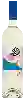
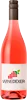
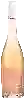
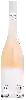
The Winery Saint Andre de Figuiere of Provence
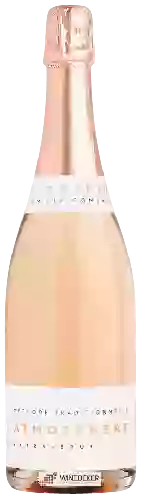
The Winery Saint Andre de Figuiere is one of the best wineries to follow in Provence.. It offers 33 wines for sale in of Provence to come and discover on site or to buy online.
Looking for the best Winery Saint Andre de Figuiere wines in Provence among all the wines in the region? Check out our tops of the best red, white or effervescent Winery Saint Andre de Figuiere wines. Also find some food and wine pairings that may be suitable with the wines from this area. Learn more about the region and the Winery Saint Andre de Figuiere wines with technical and enological descriptions.
How Winery Saint Andre de Figuiere wines pair with each other generally quite well with dishes of beef or mature and hard cheese such as recipes of stuffed zucchini or franc-comtoise.
On the nose the sparkling wine of Winery Saint Andre de Figuiere. often reveals types of flavors of strawberries, apricot or tree fruit and sometimes also flavors of red fruit.
Provence is a wine region in the far southeast of France, best known for the quality (and quantity) of its rosé wines and for its Warm, mild Climate. The modernization that is taking place in many of the traditional wine regions of southern France has not yet taken place to the same extent in Provence, but there are Clear signs of change. The region's Grape varieties, in particular, have come under scrutiny in recent decades. Traditional varieties such as Carignan, Barbaroux (Barbarossa from Sardinia) and Calitor are being replaced by more commercially viable varieties such as Grenache, Syrah and even Cabernet Sauvignon.
The term "Varietal improvers" is gaining ground in Provence, as it is in the neighbouring Languedoc-Roussillon. The most successful local varieties, Mourvèdre, Tibouren and Vermentino (known locally as Rolle), have remained in favor, proving their value in Provence wines, in red, rosé and white respectively. The Vineyards of Provence cover an area of France's southeastern coastline that measures about 200 kilometers from east to west. In this definitely Mediterranean climate - no Provencal vineyard is more than 55 km from the Mediterranean - the vines enjoy about 3,000 hours of sunshine a year, as well as an average annual temperature of 14.
5°C.
How Winery Saint Andre de Figuiere wines pair with each other generally quite well with dishes of shellfish, rich fish (salmon, tuna etc) or lean fish such as recipes of pasta with shrimp, salmon cannelloni or adapted vietnamese fondue.
On the nose the white wine of Winery Saint Andre de Figuiere. often reveals types of flavors of citrus, earth or tree fruit and sometimes also flavors of citrus fruit, floral or grapefruit. In the mouth the white wine of Winery Saint Andre de Figuiere. is a with a nice freshness.
Mourvèdre noir is a grape variety originating from Spain. It produces a variety of grape specially used for wine making. It is rare to find this grape to eat on our tables. This variety of grape is characterized by medium to large bunches, and grapes of medium size. Mourvèdre noir can be found in several vineyards: South-West, Cognac, Bordeaux, Provence & Corsica, Rhône valley, Languedoc & Roussillon, Loire valley, Savoie & Bugey, Beaujolais.
How Winery Saint Andre de Figuiere wines pair with each other generally quite well with dishes of pork, shellfish or vegetarian such as recipes of roast pork orloff, quick crayfish chicken or zucchini and goat cheese quiche.
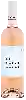
On the nose the pink wine of Winery Saint Andre de Figuiere. often reveals types of flavors of grapefruit, citrus or peach and sometimes also flavors of strawberries, microbio or tree fruit. In the mouth the pink wine of Winery Saint Andre de Figuiere. is a with a nice freshness.
A distinction is made between the ripeness of sugars and acids and the ripeness of tannins and other compounds such as anthocyanins and tannins, which will bring structure and colour. Grapes can be measured at 13° potential without having reached this phenolic maturity. Vinified at this stage, they will give hard, astringent wines, without charm.
How Winery Saint Andre de Figuiere wines pair with each other generally quite well with dishes of beef, lamb or spicy food such as recipes of grandma melanie's cassoulet, marinated lamb chops (honey, worcestershire sauce, olive oil) or monkfish (anglerfish) à la sétoise.
On the nose the red wine of Winery Saint Andre de Figuiere. often reveals types of flavors of red fruit, tobacco or strawberries and sometimes also flavors of plum, pepper or dark fruit. In the mouth the red wine of Winery Saint Andre de Figuiere. is a powerful with a nice balance between acidity and tannins.
The vermentino grape variety was widespread in Italy, Sardinia and Corsica. Today, Vermentino is grown in the regions bordering the Mediterranean, mainly in Provence (Côtes de Provence, Bellet), Corsica (Corse Calvi), Languedoc (Côtes du Roussillon, Costières de Nîmes) and the Rhône Valley (Côtes du Luberon). Because it ripens late, Vermentino requires a warm climate for its development and can only be grown in regions with good sun exposure. Conversely, cold or temperate climates do not allow it to ripen properly. Vermentino is only susceptible to powdery mildew. When vinified on its own, Vermentino produces a single-variety dry white wine that is light and full-bodied with a pale yellow color. It can also be blended with other grape varieties such as Ugni Blanc, Cinsault and Grenache, in which case its low acidity makes it light and fresh. Vermentino belongs to the grape varieties of Ajaccio, Corsica and Corbières. The aromas released by this variety are multiple. One can detect notes of fresh apple, green almond, sweet spices, hawthorn, ripe pear and fresh pineapple.
Planning a wine route in the of Provence? Here are the wineries to visit and the winemakers to meet during your trip in search of wines similar to Winery Saint Andre de Figuiere.
Mainly cultivated in the Languedoc region, carignan originates from Spain. Because of its very resistant branches, it is often called hardwood. Its bunches are quite large. They are compact and winged with a lignified stalk. The berries are spherical in shape and take on a bluish-black colour. Carignan has a total of 25 approved clones, the best known of which are 274, 65 and 9. The carignan buds at the beginning of June and is protected from spring frosts. It does not reach maturity until the third period. Also, this grape variety needs warmth and sunshine. It appreciates dry and not very fertile soils. Carignan vines can live for more than 100 years. Those that are more than 30 years old produce a better wine. This wine is well coloured. It is generous and powerful at the same time. Pepper, cherry, blackberry, banana, raspberry, almond, prune and violet are some of the aromas that this grape variety gives off.