The Winery Piona of Gavi of Piedmont
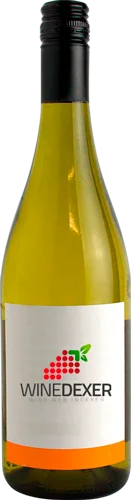
The Winery Piona is one of the best wineries to follow in Gavi.. It offers 3 wines for sale in of Gavi to come and discover on site or to buy online.
Looking for the best Winery Piona wines in Gavi among all the wines in the region? Check out our tops of the best red, white or effervescent Winery Piona wines. Also find some food and wine pairings that may be suitable with the wines from this area. Learn more about the region and the Winery Piona wines with technical and enological descriptions.
How Winery Piona wines pair with each other generally quite well with dishes of pasta, shellfish or appetizers and snacks such as recipes of express seafood spaghetti, chinese fondue or bacon cake.
On the nose the white wine of Winery Piona. often reveals types of flavors of tree fruit, non oak or earth and sometimes also flavors of microbio, vegetal or oak. In the mouth the white wine of Winery Piona. is a with a nice freshness.
The wine region of Gavi is located in the region of Piémont of Italy. Wineries and vineyards like the Domaine La Scolca or the Domaine La Scolca produce mainly wines white, sparkling and red. The most planted grape varieties in the region of Gavi are Cortese, Ribolla gialla and Gaglioppo, they are then used in wines in blends or as a single variety. On the nose of Gavi often reveals types of flavors of grapefruit, leather or meyer lemon and sometimes also flavors of slate, black fruit or orange zest.
In the mouth of Gavi is a with a nice freshness. We currently count 295 estates and châteaux in the of Gavi, producing 523 different wines in conventional, organic and biodynamic agriculture. The wines of Gavi go well with generally quite well with dishes of pasta, shellfish or appetizers and snacks.
Planning a wine route in the of Gavi? Here are the wineries to visit and the winemakers to meet during your trip in search of wines similar to Winery Piona.
The douce noire, as its name indicates, is a black grape variety. It originated in the region between the valleys of the Isère and Saône rivers. Often in autumn, its foliage takes on a red hue. The bunches of the black sweet are larger than average. They are compact and winged. Spherical, its berries are of normal size. The flesh is juicy, soft and sweet. Although it is on the verge of extinction, this variety is still present in some Jura vineyards. Some call it corbeau, especially in Savoie, but it has other names such as gros noir, plant de Calarin and pecot. The sweet black is associated with an average budding and a late first ripening. Hardy and vigorous, it adapts to poorly irrigated soils. This variety produces a wine with low alcohol content, flat, soft and without much finesse. It should be consumed within the year. Sweet black is generally grown with Persian. It must be associated with other grape varieties to be better. Nowadays, this variety is not multiplied at all.