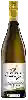
The Winery Oberbergener Bassgeige of Baden
Winery Oberbergener Bassgeige
The winery offers 104 different wines
3.5


Note - 1Note - 1Note - 1Note - 0.5Note - 0
Its wines get an average rating of 3.5.
It is ranked in the top 299 of the estates of Baden.
It is located in Baden

The Winery Oberbergener Bassgeige is one of the best wineries to follow in Baden.. It offers 104 wines for sale in of Baden to come and discover on site or to buy online.
Top Winery Oberbergener Bassgeige wines

Looking for the best Winery Oberbergener Bassgeige wines in Baden among all the wines in the region? Check out our tops of the best red, white or effervescent Winery Oberbergener Bassgeige wines. Also find some food and wine pairings that may be suitable with the wines from this area. Learn more about the region and the Winery Oberbergener Bassgeige wines with technical and enological descriptions.

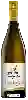
The top white wines of Winery Oberbergener Bassgeige

Food and wine pairings with a white wine of Winery Oberbergener Bassgeige

How Winery Oberbergener Bassgeige wines pair with each other generally quite well with dishes of pork, rich fish (salmon, tuna etc) or vegetarian such as recipes of stuffed round zucchini, potato and smoked salmon gratin or quiche with leeks and fresh salmon from flo.

Organoleptic analysis of white wines of Winery Oberbergener Bassgeige

On the nose the white wine of Winery Oberbergener Bassgeige. often reveals types of flavors of non oak, tree fruit or spices and sometimes also flavors of citrus fruit. In the mouth the white wine of Winery Oberbergener Bassgeige. is a with a nice freshness.

The best vintages in the white wines of Winery Oberbergener Bassgeige

  • 2018With an average score of 3.80/5
  • 2008With an average score of 3.70/5
  • 2017With an average score of 3.63/5
  • 2014With an average score of 3.62/5
  • 2016With an average score of 3.60/5
  • 2015With an average score of 3.59/5

The grape varieties most used in the white wines of Winery Oberbergener Bassgeige.

  • Grauburgunder
  • Müller-Thurgau
  • Weissburgunder
  • Rivaner
  • Gewürztraminer
  • Gelber Muskateller

Discovering the wine region of Baden

Baden is the southernmost of Germany's 13 official wine regions. It is also the warmest. Its relatively sunny, DryClimate permits the production of good-quality Spätburgunder (Pinot Noir) and ripe, relatively Full-bodied">Full-bodied examples of Grauburgunder (Pinot Gris) and Weissburgunder (Pinot Blanc). These are often made in oaked styles.

Baden is classified as zone B under the European Union's Vineyard">Vineyard climate classification. Every other German region is in chilly Zone A. Baden is, unusually for Germany, best known for its red wines, However its whites account for the majority of its output. Pinot Noir rules the vineyards here.

For every acre of Riesling (the dominant variety in almost every other German region), there are five of Pinot Noir. The next most commonly planted variety is Müller-Thurgau, followed by Pinot Gris and Pinot Blanc. The combined vineyard area occupied by these latter three is roughly equal to that devoted to Pinot Noir alone. Next comes Riesling, which accounts for less than 10 percent of Baden's vineyard area, followed closely by Gutedel (Chasselas).

The top red wines of Winery Oberbergener Bassgeige

Food and wine pairings with a red wine of Winery Oberbergener Bassgeige

How Winery Oberbergener Bassgeige wines pair with each other generally quite well with dishes of beef, veal or game (deer, venison) such as recipes of beef tongue in hot sauce, duck with orange or rabbit with tomato.

Organoleptic analysis of red wines of Winery Oberbergener Bassgeige

On the nose the red wine of Winery Oberbergener Bassgeige. often reveals types of flavors of earth, non oak or oak. In the mouth the red wine of Winery Oberbergener Bassgeige. is a with a nice freshness.

The best vintages in the red wines of Winery Oberbergener Bassgeige

  • 2019With an average score of 3.90/5
  • 2016With an average score of 3.68/5
  • 2018With an average score of 3.61/5
  • 2015With an average score of 3.46/5
  • 0With an average score of 3.41/5
  • 2014With an average score of 3.20/5

The grape varieties most used in the red wines of Winery Oberbergener Bassgeige.

  • Spätburgunder
  • Acolon
  • Cabernet Dorsa
  • Pinot Noir

Discover the grape variety: Grauburgunder

The top sparkling wines of Winery Oberbergener Bassgeige

Food and wine pairings with a sparkling wine of Winery Oberbergener Bassgeige

How Winery Oberbergener Bassgeige wines pair with each other generally quite well with dishes of veal, pork or game (deer, venison) such as recipes of fillet of beef with morels, pork stew with bacon and cream or rabbit italian style.

The grape varieties most used in the sparkling wines of Winery Oberbergener Bassgeige.

  • Grauburgunder
  • Pinot Noir
  • Spätburgunder

The word of the wine: Nervous

Said of a wine that leaves its mark on the palate with its strong characters and a hint of acidity, but without excess.

The top pink wines of Winery Oberbergener Bassgeige

Food and wine pairings with a pink wine of Winery Oberbergener Bassgeige

How Winery Oberbergener Bassgeige wines pair with each other generally quite well with dishes of vegetarian such as recipes of ham and comté quiche.

The best vintages in the pink wines of Winery Oberbergener Bassgeige

  • 2016With an average score of 3.70/5
  • 0With an average score of 3.58/5

The grape varieties most used in the pink wines of Winery Oberbergener Bassgeige.

  • Spätburgunder

Discover the grape variety: White muscat

White muscat is a white grape variety of Greek origin. Present in several Mediterranean vineyards, it has several synonyms such as muscat de Die, muscat blanc and frontignac. In France, it occupies a little less than 7,000 ha out of a total of 45,000 ha worldwide. Its young shoots are downy. Its youngest leaves are shiny, bronzed and scabrous. The berries and bunches of this variety are all medium-sized. The flesh of the berries is juicy, sweet and firm. Muscat à petits grains has a second ripening period and buds early in the year. It is moderately vigorous and must be pruned short. It likes poor, stony slopes. This variety is often exposed to spring frosts. It fears mildew, wasps, grape worms, court-noué, grey rot and powdery mildew. Muscat à petits grains is used to make rosé wines and dry white wines. Orange, brown sugar, barley sugar and raisins are the known aromas of these wines.

The top sweet wines of Winery Oberbergener Bassgeige

Food and wine pairings with a sweet wine of Winery Oberbergener Bassgeige

How Winery Oberbergener Bassgeige wines pair with each other generally quite well with dishes of beef, veal or game (deer, venison) such as recipes of oxtail confit in red wine, tanjia or adapted vietnamese fondue.

The grape varieties most used in the sweet wines of Winery Oberbergener Bassgeige.

  • Spätburgunder

The word of the wine: Cellar

A place for storing and ageing wines in bottles. This term designates both the cellar of a private individual and that of a restaurant. It is also a store dedicated to the retail sale of wine.
Discover other wineries and winemakers neighboring the Winery Oberbergener Bassgeige

Planning a wine route in the of Baden? Here are the wineries to visit and the winemakers to meet during your trip in search of wines similar to Winery Oberbergener Bassgeige.
Discover the grape variety: Müller-Thurgau

Müller-Thurgau shows the character of its noble origins. This Swiss white grape variety is a cross between the royal madeleine and the riesling. The idea that the latter was crossed with the sylvaner is irrelevant. The variety can be recognized by its vigorous character and its semi-erect habit. Preferring rich soils and short prunings, the plant sees its buds open quite early. The buds are cottony and soft green in color. The slightly embossed and tormented blade, with 5 to 7 lobes, makes it possible to distinguish the adult leaves. The clusters appear compact, pyramidal or cylindrical in shape and small to medium in size. The flavour of the Müller-Turgau berries is reminiscent of Muscat. The juicy and crunchy pulp is revealed under a greyish skin. When ripe, the fruit has a mottled shell on a golden yellow background. Switzerland prefers to extract the juice from this variety. The wine made from it is rather heavy and does not keep well.