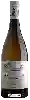
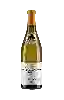
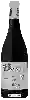
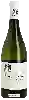
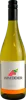
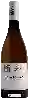
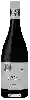
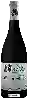
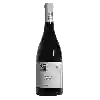
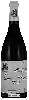
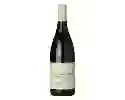
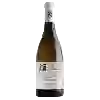
The Winery J.M. Boillot of Pommard of Burgundy
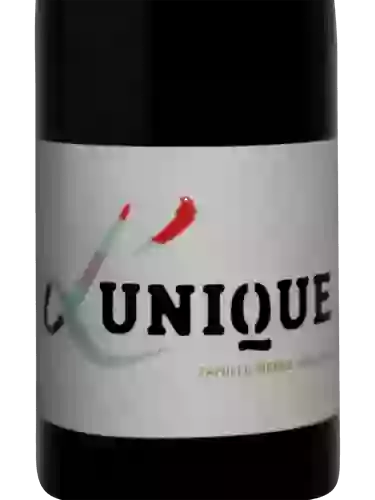
The Winery J.M. Boillot is one of the largest wineries in the world. It offers 51 wines for sale in of Pommard to come and discover on site or to buy online.
Looking for the best Winery J.M. Boillot wines in Pommard among all the wines in the region? Check out our tops of the best red, white or effervescent Winery J.M. Boillot wines. Also find some food and wine pairings that may be suitable with the wines from this area. Learn more about the region and the Winery J.M. Boillot wines with technical and enological descriptions.
How Winery J.M. Boillot wines pair with each other generally quite well with dishes of pork, rich fish (salmon, tuna etc) or shellfish such as recipes of country cabbage, pan bagnat or shrimp and zucchini with curry and coconut milk.
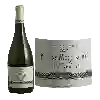
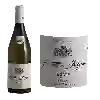
On the nose the white wine of Winery J.M. Boillot. often reveals types of flavors of citrus, apples or butter and sometimes also flavors of pear, non oak or earth. In the mouth the white wine of Winery J.M. Boillot. is a powerful with a nice freshness.
The wine region of Pommard is located in the region of Côte de Beaune of Burgundy of France. Wineries and vineyards like the Domaine Leroy or the Château de Pommard produce mainly wines red. The most planted grape varieties in the region of Pommard are Pinot noir, Cabernet-Sauvignon and Gamay noir, they are then used in wines in blends or as a single variety. On the nose of Pommard often reveals types of flavors of cherry, truffle or clove and sometimes also flavors of game, cheese or rose petal.
In the mouth of Pommard is a with a nice freshness. We currently count 435 estates and châteaux in the of Pommard, producing 603 different wines in conventional, organic and biodynamic agriculture. The wines of Pommard go well with generally quite well with dishes of beef, veal or game (deer, venison).
How Winery J.M. Boillot wines pair with each other generally quite well with dishes of beef, veal or game (deer, venison) such as recipes of wild boar stew in burgundy style, blanquette of veal in the old way (self-cooker) or fillet of venison.
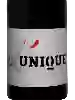
On the nose the red wine of Winery J.M. Boillot. often reveals types of flavors of non oak, oak or cherry and sometimes also flavors of butter, microbio or red fruit. In the mouth the red wine of Winery J.M. Boillot. is a with a nice freshness.
The vermentino grape variety was widespread in Italy, Sardinia and Corsica. Today, Vermentino is grown in the regions bordering the Mediterranean, mainly in Provence (Côtes de Provence, Bellet), Corsica (Corse Calvi), Languedoc (Côtes du Roussillon, Costières de Nîmes) and the Rhône Valley (Côtes du Luberon). Because it ripens late, Vermentino requires a warm climate for its development and can only be grown in regions with good sun exposure. Conversely, cold or temperate climates do not allow it to ripen properly. Vermentino is only susceptible to powdery mildew. When vinified on its own, Vermentino produces a single-variety dry white wine that is light and full-bodied with a pale yellow color. It can also be blended with other grape varieties such as Ugni Blanc, Cinsault and Grenache, in which case its low acidity makes it light and fresh. Vermentino belongs to the grape varieties of Ajaccio, Corsica and Corbières. The aromas released by this variety are multiple. One can detect notes of fresh apple, green almond, sweet spices, hawthorn, ripe pear and fresh pineapple.
How Winery J.M. Boillot wines pair with each other generally quite well with dishes of pasta, vegetarian or appetizers and snacks such as recipes of spaghetti cacio e pepe, spinach and goat cheese quiche or tuna spread.
Dry, still wine intended for the production of sparkling wines (champagne, crémants, etc.). The basic wines undergo a second fermentation in the bottle for the production of carbon dioxide, and therefore of bubbles.
Planning a wine route in the of Pommard? Here are the wineries to visit and the winemakers to meet during your trip in search of wines similar to Winery J.M. Boillot.
Roussane is a white grape variety, planted on an area of more than 700 ha. Originally from Montélimar, it is also found in Savoie, Languedoc and Roussillon, and grows very well in calcareous, poor, stony soil. It prefers to be pruned short. Roussane is also called fromenteau, barbin or bergeron. The young leaves are bubbled with fine down. When adult, they become thicker. It flowers in June and matures in mid-September. The grapes are cylindrical in shape, the berries are small and turn red when ripe, and the wine produced from pure Roussane is of extraordinary quality. It has a delicate aroma reminiscent of coffee, honeysuckle, iris and peony. The taste of this wine improves with age. It is part of the blend of the appellations Vin-de-Savoie, Côtes-du-Vallée du Rhône or Châteauneuf-du-Pape.