The Winery Fontesole of Languedoc of Languedoc-Roussillon
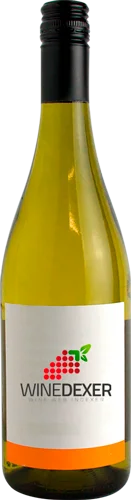
The Winery Fontesole is one of the best wineries to follow in Languedoc.. It offers 63 wines for sale in of Languedoc to come and discover on site or to buy online.
Looking for the best Winery Fontesole wines in Languedoc among all the wines in the region? Check out our tops of the best red, white or effervescent Winery Fontesole wines. Also find some food and wine pairings that may be suitable with the wines from this area. Learn more about the region and the Winery Fontesole wines with technical and enological descriptions.
How Winery Fontesole wines pair with each other generally quite well with dishes of pasta, vegetarian or poultry such as recipes of spaghetti neapolitan style, nanie's diced ham quiche or pasta carbonara.
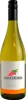
On the nose the white wine of Winery Fontesole. often reveals types of flavors of tree fruit, citrus fruit. In the mouth the white wine of Winery Fontesole. is a .
Languedoc (formerly Coteaux du Languedoc) is a key appellation used in the Languedoc-Roussillon wine region of southern France. It covers Dry table wines of all three colors (red, white and rosé) from the entire region, but leaves Sweet and Sparkling wines to other more specialized appellations. About 75% of all Languedoc wines are red, with the remaining 25% split roughly down the middle between whites and rosés. The appellation covers most of the Languedoc region and almost a third of all the vineyards in France.
The typical Languedoc red wine is medium-bodied and Fruity. The best examples are slightly heavier and have darker, more savoury aromas, with notes of spice, undergrowth and leather. The Grape varieties used to make them are the classic southern French ones: Grenache, Syrah and Mourvèdre, often with a touch of Carignan or Cinsaut. The white wines of the appellation are made from Grenache Blanc, Clairette and Bourboulenc, with occasional use of Viognier, Marsanne and Roussanne from the Rhône Valley.
How Winery Fontesole wines pair with each other generally quite well with dishes of pasta, vegetarian or appetizers and snacks such as recipes of salmon and spinach lasagna, quiche with leeks and fresh salmon from flo or salted muffins with bacon and grated cheese.
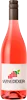
On the nose the pink wine of Winery Fontesole. often reveals types of flavors of cherry, cocoa or earth and sometimes also flavors of oak, red fruit or earthy. In the mouth the pink wine of Winery Fontesole. is a powerful with a nice freshness.
Cinsaut noir is a grape variety that originated in France (Provence). It produces a variety of grape specially used for wine making. It is rare to find this grape to eat on our tables. This variety of grape is characterized by large bunches and large grapes. Cinsaut noir can be found in several vineyards: South-West, Cognac, Bordeaux, Provence & Corsica, Rhône valley, Languedoc & Roussillon, Loire valley, Savoie & Bugey, Beaujolais, Armagnac.
How Winery Fontesole wines pair with each other generally quite well with dishes of beef, pasta or veal such as recipes of shepherd's pie (potatoes, beef, carrots, bacon), italian pasta or home-made coq au vin.
On the nose the red wine of Winery Fontesole. often reveals types of flavors of oaky, blackberry or leather and sometimes also flavors of earth, oak or red fruit. In the mouth the red wine of Winery Fontesole. is a powerful with a nice balance between acidity and tannins.
A sommelier uses a decanter to separate the clear wine from the solid parts in a bottle.
How Winery Fontesole wines pair with each other generally quite well with dishes of pork, rich fish (salmon, tuna etc) or vegetarian such as recipes of rabbit in sauce, leek and tuna pie or quiche without pastry, courgette and blue cheese.
Merlot noir is a grape variety that originated in France (Bordeaux). It produces a variety of grape specially used for wine making. It is rare to find this grape to eat on our tables. This variety of grape is characterized by small to medium sized bunches, and medium sized grapes. Merlot noir can be found in many vineyards: South West, Languedoc & Roussillon, Cognac, Bordeaux, Loire Valley, Armagnac, Burgundy, Jura, Champagne, Rhone Valley, Beaujolais, Provence & Corsica, Savoie & Bugey.
How Winery Fontesole wines pair with each other generally quite well with dishes of beef, lamb or spicy food such as recipes of navarin of lamb, thiebou yappe from senegal (rice with lamb) or mussels with curry.
There are no specific regulations governing the term "vieilles vignes". After 20 to 25 years, the yields stabilize and tend to decrease, the vines are deeply rooted, and the grapes that come from them give richer, more concentrated, more sappy wines, expressing with more nuance the characteristics of their terroir. It is possible to find plots of vines that claim to be a century old.
Planning a wine route in the of Languedoc? Here are the wineries to visit and the winemakers to meet during your trip in search of wines similar to Winery Fontesole.
White muscat is a white grape variety of Greek origin. Present in several Mediterranean vineyards, it has several synonyms such as muscat de Die, muscat blanc and frontignac. In France, it occupies a little less than 7,000 ha out of a total of 45,000 ha worldwide. Its young shoots are downy. Its youngest leaves are shiny, bronzed and scabrous. The berries and bunches of this variety are all medium-sized. The flesh of the berries is juicy, sweet and firm. Muscat à petits grains has a second ripening period and buds early in the year. It is moderately vigorous and must be pruned short. It likes poor, stony slopes. This variety is often exposed to spring frosts. It fears mildew, wasps, grape worms, court-noué, grey rot and powdery mildew. Muscat à petits grains is used to make rosé wines and dry white wines. Orange, brown sugar, barley sugar and raisins are the known aromas of these wines.