The Domaine du Clos des Fées of Languedoc-Roussillon
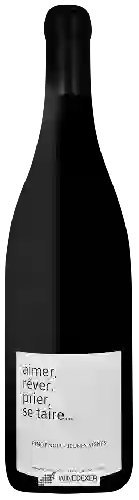
The Domaine du Clos des Fées is one of the largest wineries in the world. It offers 21 wines for sale in of Languedoc-Roussillon to come and discover on site or to buy online.
Looking for the best Domaine du Clos des Fées wines in Languedoc-Roussillon among all the wines in the region? Check out our tops of the best red, white or effervescent Domaine du Clos des Fées wines. Also find some food and wine pairings that may be suitable with the wines from this area. Learn more about the region and the Domaine du Clos des Fées wines with technical and enological descriptions.
How Domaine du Clos des Fées wines pair with each other generally quite well with dishes of beef, pasta or veal such as recipes of beef with cider, pasta cake or dafina.
On the nose the red wine of Domaine du Clos des Fées. often reveals types of flavors of black cherries, oak or red fruit and sometimes also flavors of black fruit, earth or red fruit. In the mouth the red wine of Domaine du Clos des Fées. is a powerful with a nice balance between acidity and tannins.
Languedoc (formerly Coteaux du Languedoc) is a key appellation used in the Languedoc-Roussillon wine region of southern France. It covers Dry table wines of all three colors (red, white and rosé) from the entire region, but leaves Sweet and Sparkling wines to other more specialized appellations. About 75% of all Languedoc wines are red, with the remaining 25% split roughly down the middle between whites and rosés. The appellation covers most of the Languedoc region and almost a third of all the vineyards in France.
The typical Languedoc red wine is medium-bodied and Fruity. The best examples are slightly heavier and have darker, more savoury aromas, with notes of spice, undergrowth and leather. The Grape varieties used to make them are the classic southern French ones: Grenache, Syrah and Mourvèdre, often with a touch of Carignan or Cinsaut. The white wines of the appellation are made from Grenache Blanc, Clairette and Bourboulenc, with occasional use of Viognier, Marsanne and Roussanne from the Rhône Valley.
How Domaine du Clos des Fées wines pair with each other generally quite well with dishes of pasta, vegetarian or poultry such as recipes of pasta with chicken, peppers and mushrooms, magic cake cheese quiche or chicken colombo (west indies).
On the nose the white wine of Domaine du Clos des Fées. often reveals types of flavors of pineapple, minerality or guava and sometimes also flavors of oil, earth or microbio. In the mouth the white wine of Domaine du Clos des Fées. is a powerful with a nice freshness.
Mourvèdre noir is a grape variety originating from Spain. It produces a variety of grape specially used for wine making. It is rare to find this grape to eat on our tables. This variety of grape is characterized by medium to large bunches, and grapes of medium size. Mourvèdre noir can be found in several vineyards: South-West, Cognac, Bordeaux, Provence & Corsica, Rhône valley, Languedoc & Roussillon, Loire valley, Savoie & Bugey, Beaujolais.
How Domaine du Clos des Fées wines pair with each other generally quite well with dishes of pasta, vegetarian or appetizers and snacks such as recipes of elodie's pasta risotto, zucchini and goat cheese quiche or reunion pepper candy.
A slat of wood that makes up the barrel.
How Domaine du Clos des Fées wines pair with each other generally quite well with dishes of spicy food or sweet desserts such as recipes of red mullet, mackerel, tuna, salmon sushi or tiramisu (original recipe).
On the nose the sweet wine of Domaine du Clos des Fées. often reveals types of flavors of peach, pear or tree fruit.
White muscat is a white grape variety of Greek origin. Present in several Mediterranean vineyards, it has several synonyms such as muscat de Die, muscat blanc and frontignac. In France, it occupies a little less than 7,000 ha out of a total of 45,000 ha worldwide. Its young shoots are downy. Its youngest leaves are shiny, bronzed and scabrous. The berries and bunches of this variety are all medium-sized. The flesh of the berries is juicy, sweet and firm. Muscat à petits grains has a second ripening period and buds early in the year. It is moderately vigorous and must be pruned short. It likes poor, stony slopes. This variety is often exposed to spring frosts. It fears mildew, wasps, grape worms, court-noué, grey rot and powdery mildew. Muscat à petits grains is used to make rosé wines and dry white wines. Orange, brown sugar, barley sugar and raisins are the known aromas of these wines.
Planning a wine route in the of Languedoc-Roussillon? Here are the wineries to visit and the winemakers to meet during your trip in search of wines similar to Domaine du Clos des Fées.
Sémillon blanc is a grape variety that originated in France (Bordeaux). It produces a variety of grape specially used for wine making. It is rare to find this grape to eat on our tables. Note that this grape variety can also be used for the elaboration of eaux de vie. This variety of vine is characterized by large bunches of grapes, and grapes of large size. Sémillon Blanc can be found in several vineyards: South-West, Languedoc & Roussillon, Cognac, Bordeaux, Armagnac, Provence & Corsica, Loire Valley, Rhone Valley, Savoie & Bugey, Beaujolais.