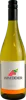
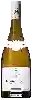
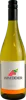
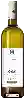
The Château Haut Blanville of Languedoc of Languedoc-Roussillon
The Château Haut Blanville is one of the world's great estates. It offers 75 wines for sale in of Languedoc to come and discover on site or to buy online.
Looking for the best Château Haut Blanville wines in Languedoc among all the wines in the region? Check out our tops of the best red, white or effervescent Château Haut Blanville wines. Also find some food and wine pairings that may be suitable with the wines from this area. Learn more about the region and the Château Haut Blanville wines with technical and enological descriptions.
How Château Haut Blanville wines pair with each other generally quite well with dishes of beef, pasta or veal such as recipes of fondue vigneronne au vin rouge, meat and cheese pie or veal cutlets au gratin.
On the nose the red wine of Château Haut Blanville. often reveals types of flavors of non oak, earth or oak and sometimes also flavors of spices, black fruit or oaky. In the mouth the red wine of Château Haut Blanville. is a powerful with a nice balance between acidity and tannins.
Languedoc (formerly Coteaux du Languedoc) is a key appellation used in the Languedoc-Roussillon wine region of southern France. It covers Dry table wines of all three colors (red, white and rosé) from the entire region, but leaves Sweet and Sparkling wines to other more specialized appellations. About 75% of all Languedoc wines are red, with the remaining 25% split roughly down the middle between whites and rosés. The appellation covers most of the Languedoc region and almost a third of all the vineyards in France.
The typical Languedoc red wine is medium-bodied and Fruity. The best examples are slightly heavier and have darker, more savoury aromas, with notes of spice, undergrowth and leather. The Grape varieties used to make them are the classic southern French ones: Grenache, Syrah and Mourvèdre, often with a touch of Carignan or Cinsaut. The white wines of the appellation are made from Grenache Blanc, Clairette and Bourboulenc, with occasional use of Viognier, Marsanne and Roussanne from the Rhône Valley.
How Château Haut Blanville wines pair with each other generally quite well with dishes of pasta, vegetarian or poultry such as recipes of pasta with arrabiata, quiche without pastry or chicken risotto with curry.
On the nose the white wine of Château Haut Blanville. often reveals types of flavors of citrus, earth or tree fruit and sometimes also flavors of citrus fruit, pineapple or cream. In the mouth the white wine of Château Haut Blanville. is a .
Merlot noir is a grape variety that originated in France (Bordeaux). It produces a variety of grape specially used for wine making. It is rare to find this grape to eat on our tables. This variety of grape is characterized by small to medium sized bunches, and medium sized grapes. Merlot noir can be found in many vineyards: South West, Languedoc & Roussillon, Cognac, Bordeaux, Loire Valley, Armagnac, Burgundy, Jura, Champagne, Rhone Valley, Beaujolais, Provence & Corsica, Savoie & Bugey.
How Château Haut Blanville wines pair with each other generally quite well with dishes of pasta, vegetarian or appetizers and snacks such as recipes of vegetarian lasagna, quiche with leeks and fresh salmon from flo or pretzel and ode mauricette!.
On the nose the pink wine of Château Haut Blanville. often reveals types of flavors of strawberries, raspberry or red fruit.
Said of a wine whose aspects are pleasant and not too marked.
Planning a wine route in the of Languedoc? Here are the wineries to visit and the winemakers to meet during your trip in search of wines similar to Château Haut Blanville.
Marsanne is a white grape variety that originated in Montélimar in the Drôme, several centuries ago. Marsanne is also found in Cassis, Savoie, Languedoc-Roussillon and Saint-Péray in the Ardèche, where it produces remarkable sparkling wines. The warm, sunny climate of the Rhone Valley, Languedoc-Roussillon and Provence, as well as the dry, stony soil, are ideal conditions for its development. Its bunches are quite large and provide small, juicy berries that are sensitive to grey rot and strong winds. These two grape varieties complement each other perfectly: together they give light wines with little acidity, aromas of yellow fruit, white fruit and flowers with notes of honey and liquorice. This is for example what the appellations Saint-Péray, Hermitage, Crozes-Hermitage, Saint-Joseph, Côtes-du-Vallée du Rhône, Corbières, or Cassis express... which represent about 700 hectares.