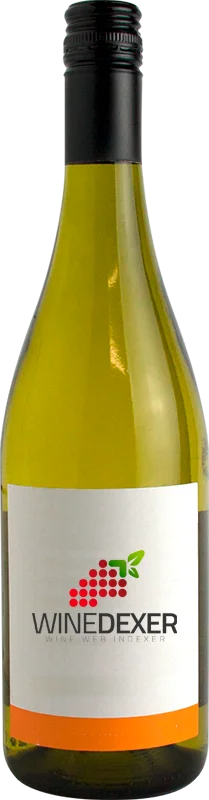
Château Haut BlanvilleBlanc
 White wine



In the mouth this white wine is a powerful.
This wine generally goes well with vegetarian, poultry or lean fish.

Taste structure of the Blanc from the Château Haut Blanville
Light | Bold | |
Dry | Sweet | |
Soft | Acidic |
In the mouth the Blanc of Château Haut Blanville in the region of Languedoc-Roussillon is a powerful.
Food and wine pairings with Blanc
Pairings that work perfectly with Blanc



Original food and wine pairings with Blanc


The Blanc of Château Haut Blanville matches generally quite well with dishes of pasta, vegetarian or poultry such as recipes of meat lasagna, zucchini and goat cheese quiche or chicken curry with coconut milk and cashew nuts.
Details and technical informations about Château Haut Blanville's Blanc.
Discover the grape variety: Ondenc
Structured, aromatic dry, medium-sweet and sweet whites with a pale golden to amber color, ample palate and preserved acidity, with signature aromas of yellow fruits (peach, apricot, quince), candied citrus, white flowers, honey and spiced notes. Fine ageing and cellaring potential. Traditional component of Gaillac AOC, particularly in sweet and passito styles. Rare indigenous South-West French variety, Gaillac's signature.
Informations about the Château Haut Blanville
The Château Haut Blanville is one of of the world's great estates. It offers 80 wines for sale in the of Languedoc to come and discover on site or to buy online.

The wine region of Languedoc
Sunny, generous southern reds: spicy, peppery Syrah, round, candied Grenache (ripe fruit, garrigue), deep Mourvèdre, structured Carignan, supple Cinsault. From robust Corbières and Minervois to fresher Terrasses du Larzac, via Faugères on schist or taut Pic Saint-Loup. Lively, iodised Picpoul de Pinet whites (oysters), ample Roussanne and Marsanne. 14 sub-appellations, ~10,000 ha in regional AOC.
The wine region of Languedoc-Roussillon
Largest single French vineyard, dominated by sunny, generous reds. Spicy Syrah, candied Grenache (ripe fruit, garrigue), structured Carignan, deep Mourvèdre, supple Cinsault. Stars: structured Corbières, Minervois, Faugères, Saint-Chinian; round Côtes-du-Roussillon. Legendary vins doux naturels: Banyuls and Maury (fortified Grenache) with notes of cocoa, fig, prune.
The word of the wine: Slight
Supple and easy to drink wine.