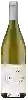
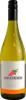
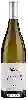
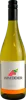
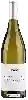
The Winery Claus Schneider of Baden
The Winery Claus Schneider is one of the best wineries to follow in Baden.. It offers 30 wines for sale in of Baden to come and discover on site or to buy online.
Looking for the best Winery Claus Schneider wines in Baden among all the wines in the region? Check out our tops of the best red, white or effervescent Winery Claus Schneider wines. Also find some food and wine pairings that may be suitable with the wines from this area. Learn more about the region and the Winery Claus Schneider wines with technical and enological descriptions.
How Winery Claus Schneider wines pair with each other generally quite well with dishes of pork, rich fish (salmon, tuna etc) or vegetarian such as recipes of tomatoes stuffed with sausage meat, red tuna steak provençal style or ham and comté quiche.
On the nose the white wine of Winery Claus Schneider. often reveals types of flavors of earth, tree fruit or citrus fruit and sometimes also flavors of red fruit, microbio or oak. In the mouth the white wine of Winery Claus Schneider. is a with a nice freshness.
Baden is the southernmost of Germany's 13 official wine regions. It is also the warmest. Its relatively sunny, DryClimate permits the production of good-quality Spätburgunder (Pinot Noir) and ripe, relatively Full-bodied">Full-bodied examples of Grauburgunder (Pinot Gris) and Weissburgunder (Pinot Blanc). These are often made in oaked styles.
Baden is classified as zone B under the European Union's Vineyard">Vineyard climate classification. Every other German region is in chilly Zone A.
Baden is, unusually for Germany, best known for its red wines, However its whites account for the majority of its output. Pinot Noir rules the vineyards here.
For every acre of Riesling (the dominant variety in almost every other German region), there are five of Pinot Noir. The next most commonly planted variety is Müller-Thurgau, followed by Pinot Gris and Pinot Blanc. The combined vineyard area occupied by these latter three is roughly equal to that devoted to Pinot Noir alone. Next comes Riesling, which accounts for less than 10 percent of Baden's vineyard area, followed closely by Gutedel (Chasselas).
How Winery Claus Schneider wines pair with each other generally quite well with dishes such as recipes .
Chasselas rosé is a grape variety that originated in France. It produces a variety of grape used to make wine. However, it can also be found eating on our tables! This variety of vine is characterized by medium-sized bunches and medium-sized grapes. Chasselas rosé can be found in several vineyards: Alsace, South-West, Cognac, Bordeaux, Loire Valley, Rhone Valley, Languedoc & Roussillon, Provence & Corsica, Savoie & Bugey, Beaujolais.
How Winery Claus Schneider wines pair with each other generally quite well with dishes of beef, veal or game (deer, venison) such as recipes of beef stew provencal style, veal tagine with carrots or duckling with bigarrade.
On the nose the red wine of Winery Claus Schneider. often reveals types of flavors of non oak, earth or microbio and sometimes also flavors of oak, spices or red fruit. In the mouth the red wine of Winery Claus Schneider. is a with a nice freshness.
Said of a slightly effervescent wine.
How Winery Claus Schneider wines pair with each other generally quite well with dishes of vegetarian such as recipes of salmon and goat cheese quiche.
Planning a wine route in the of Baden? Here are the wineries to visit and the winemakers to meet during your trip in search of wines similar to Winery Claus Schneider.
Pinot Gris is a grey grape variety mutated from Pinot Noir. It has its origins in Burgundy, where it is called pinot-beurot in reference to the colour of the grey robes worn by the monks of the region. Established in Alsace since the 17th century, pinot gris was called tokay until 2007. It is made up of bunches of small berries that vary in colour from pink to blue-grey. It is particularly well suited to the continental climate because it is resistant to the cold in winter and to spring frosts. This variety also likes dry limestone soils with plenty of sunshine in the summer. Pinot Gris is well suited to late harvesting or to the selection of noble grapes, depending on the year and the concentration of sugars in the berries. Pinot Gris wines are distinguished by their aromatic complexity of white fruits, mushrooms, honey, vanilla, cinnamon, etc., and their great finesse. In the Loire Valley, pinot gris is used in the Coteaux-d'Ancenis appellations. It gives dry or sweet wines with pear and peach aromas.