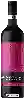
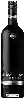
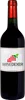
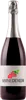
The Winery Scavi-Ray of Prosecco of Veneto
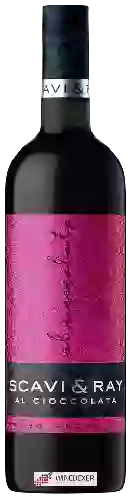
The Winery Scavi-Ray is one of the best wineries to follow in Prosecco.. It offers 31 wines for sale in of Prosecco to come and discover on site or to buy online.
Looking for the best Winery Scavi-Ray wines in Prosecco among all the wines in the region? Check out our tops of the best red, white or effervescent Winery Scavi-Ray wines. Also find some food and wine pairings that may be suitable with the wines from this area. Learn more about the region and the Winery Scavi-Ray wines with technical and enological descriptions.
How Winery Scavi-Ray wines pair with each other generally quite well with dishes of beef, pasta or lamb such as recipes of beef with cider, farfalle with gorgonzola or shoulder of lamb stuffed with cognac.
On the nose the red wine of Winery Scavi-Ray. often reveals types of flavors of non oak, earth or oak and sometimes also flavors of spices, red fruit. In the mouth the red wine of Winery Scavi-Ray. is a powerful mainly marked by the residual sugar.
The wine region of Prosecco is located in the region of Vénétie of Italy. We currently count 1461 estates and châteaux in the of Prosecco, producing 2419 different wines in conventional, organic and biodynamic agriculture. The wines of Prosecco go well with generally quite well with dishes .
How Winery Scavi-Ray wines pair with each other generally quite well with dishes of rich fish (salmon, tuna etc), shellfish or mature and hard cheese such as recipes of gravelax salmon, quinoa with shrimp or raclette with 8 cheeses.
On the nose the sparkling wine of Winery Scavi-Ray. often reveals types of flavors of tree fruit, citrus fruit or floral and sometimes also flavors of oak, red fruit or non oak. In the mouth the sparkling wine of Winery Scavi-Ray. is a with a nice vivacity and a fine and pleasant bubble.
How Winery Scavi-Ray wines pair with each other generally quite well with dishes such as recipes .
A term often used to designate wineries, even if they do not have a real castle.
How Winery Scavi-Ray wines pair with each other generally quite well with dishes of pasta, shellfish or mature and hard cheese such as recipes of chicken lasagna, phad thai (thai style fried noodles) or chicken, zucchini and tomato pie.
In the mouth the white wine of Winery Scavi-Ray. is a powerful.
It is said to be of Slovenian origin, where it is cultivated under the name of Prosekar, also known for a long time in Italy under the name of Glera. It should not be confused with prosecco lungo - although there is a family link - and prosecco nostrano, which is none other than Tuscany's malvasia. Note that Vitouska - another Italian grape variety - is the result of a natural intraspecific cross between Tuscan malvasia and Prosecco. Under the name of Glera, it is registered in the Official Catalogue of wine grape varieties list A. It can be found in practically all of the former Yugoslavia, and more surprisingly in Argentina, but is virtually unknown in France.
Planning a wine route in the of Prosecco? Here are the wineries to visit and the winemakers to meet during your trip in search of wines similar to Winery Scavi-Ray.
Pinot grigio is a grey grape variety mutated from Pinot Noir. It has its origins in Burgundy, where it is called pinot-beurot in reference to the colour of the grey robes worn by the monks of the region. Established in Alsace since the 17th century, pinot grigio was called tokay until 2007. It is made up of bunches of small berries that vary in colour from pink to blue-grey. It is particularly well suited to the continental climate because it is resistant to the cold in winter and to spring frosts. This variety also likes dry limestone soils with plenty of sunshine in the summer. pinot grigio is well suited to late harvesting or to the selection of noble grapes, depending on the year and the concentration of sugars in the berries. Pinot grigio wines are distinguished by their aromatic complexity of white fruits, mushrooms, honey, vanilla, cinnamon, etc., and their great finesse. In the Loire Valley, pinot grigio is used in the Coteaux-d'Ancenis appellations. It gives dry or sweet wines with pear and peach aromas.