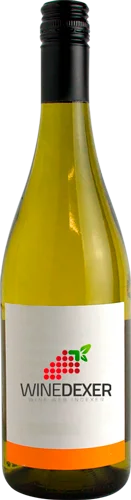
The Winery Okunota of Yamanashi-ken

The Winery Okunota is one of the world's great estates. It offers 28 wines for sale in of Yamanashi-ken to come and discover on site or to buy online.

Looking for the best Winery Okunota wines in Yamanashi-ken among all the wines in the region? Check out our tops of the best red, white or effervescent Winery Okunota wines. Also find some food and wine pairings that may be suitable with the wines from this area. Learn more about the region and the Winery Okunota wines with technical and enological descriptions.
How Winery Okunota wines pair with each other generally quite well with dishes of shellfish, lean fish or pork such as recipes of shrimp risotto with curry, daube of conger or special' tagliatelle carbonara.
On the nose the white wine of Winery Okunota. often reveals types of flavors of green apple, orange or oak and sometimes also flavors of tree fruit, citrus fruit or floral. In the mouth the white wine of Winery Okunota. is a .
Japanese winemaking heart at the foot of Mount Fuji, signature in Koshu. Identity-driven native white (~90% of Japanese plantings): delicate, precise dry whites with notes of citrus (yuzu, lime), green apple, white flowers and a slightly saline finish, low alcohol and great freshness. Ideal with sushi and Japanese cuisine. Also Chardonnay and Merlot in the altitude zones of Akeno.
Vineyards at 400-700 m on volcanic ash, climate with marked thermal swings.
How Winery Okunota wines pair with each other generally quite well with dishes of beef, game (deer, venison) or lamb such as recipes of quick beef bourguignon, rabbit with tomato or roast lamb with thyme.
Supple, fruity reds with a moderate ruby robe, silky tannins and a direct palate, with signature Muscat aromas (fresh grape, rose), red fruits (cherry, strawberry), candy and hybrid herbal notes. A simple, early-ripening profile. Widely grown in Japan (Yamanashi, Nagano), it is the emblem of modern Japanese reds. Black hybrid grape created in 1927 by Zenbei Kawakami, a Bailey × Muscat Hamburg cross.
How Winery Okunota wines pair with each other generally quite well with dishes such as recipes .
On the nose the pink wine of Winery Okunota. often reveals types of flavors of red fruit, floral.
Acidity is present in all wines, and is essential in white wines. It is due to the presence of different organic acids in the wine, and is expressed in the mouth by a sensation of freshness combined with other elements, such as minerality or a note of bitterness. Moderately present, it brings relief and vivacity to the wine.
How Winery Okunota wines pair with each other generally quite well with dishes of beef, game (deer, venison) or pork such as recipes of lamb skewers, rabbit with chorizo or basque piperade.
Whites with many faces: mineral and taut at Chablis (lemon, green apple, flint), opulent and buttery at Meursault and Puligny-Montrachet (hazelnut, brioche, yellow fruits), tense and chalky in Champagne (Blanc de Blancs). Also vinified sparkling and widely exported (Sonoma, Margaret River, Casablanca). A Burgundian variety, a cross of Pinot Noir × Gouais Blanc, half-sibling of Aligoté.
How Winery Okunota wines pair with each other generally quite well with dishes such as recipes .
A defect that characterizes a wine exposed to the air, and which has lost its aromatic qualities.
Planning a wine route in the of Yamanashi-ken? Here are the wineries to visit and the winemakers to meet during your trip in search of wines similar to Winery Okunota.
Delicate, taut whites with a pale, slightly pinkish robe (grey-pink skin), an airy palate and fresh acidity, with subtle aromas of citrus (yuzu, grapefruit), green apple, white flowers, pear, almond and saline mineral notes. Slightly bitter, refined finish. Signature of the modern whites of Yamanashi (around Mount Fuji) and the locomotive of Japanese wine exports. Autochthonous hybrid variety (vinifera × vitis amurensis), cultivated in Japan for over a thousand years.