The Clos Castell of Banyuls of Languedoc-Roussillon
Clos Castell
The winery offers 8 different wines
4.0


Note - 1Note - 1Note - 1Note - 1Note - 0
Its wines get an average rating of 4.
It is ranked in the top 81 of the estates of Languedoc-Roussillon.
It is located in Banyuls in the region of Languedoc-Roussillon

The Clos Castell is one of the world's great estates. It offers 8 wines for sale in of Banyuls to come and discover on site or to buy online.
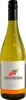
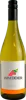
Top Clos Castell wines

Looking for the best Clos Castell wines in Banyuls among all the wines in the region? Check out our tops of the best red, white or effervescent Clos Castell wines. Also find some food and wine pairings that may be suitable with the wines from this area. Learn more about the region and the Clos Castell wines with technical and enological descriptions.

The top sweet wines of Clos Castell

Food and wine pairings with a sweet wine of Clos Castell

How Clos Castell wines pair with each other generally quite well with dishes of mature and hard cheese, blue cheese or aperitif such as recipes of leek, bacon and beaufort pie, soup with radish tops, leeks and roquefort cheese or christmas boots in knacki.

The grape varieties most used in the sweet wines of Clos Castell.

  • Carignan
  • Grenache
  • Grenache Gris

Discovering the wine region of Banyuls

Banyuls wines come from the South-eastern Part of Roussillon, in the south of France, in the lower Pyrenees, a few kilometres from the Spanish border. These naturally Sweet wines are consumed both as an aperitif and as a dessert. They come in a wide range of hues, from GoldenGreen (Banyuls Blanc) to Amber (Banyuls Ambré) to the intense garnet of the standard Banyuls Rouge. Unusually among the natural sweet wines of France, all Banyuls wines are made primarily from Grenache grapes of various colors.

Muscat grapes (the mainstay of southern French sweet wines) are allowed, but only in very small proportions. Dark-skinned Grenache Noir is by far the dominant and preferred variety in Banyuls - it must make up at least 50% of the blend for red Banyuls (75% for Grand Cru wines). Pink-skinned Grenache Gris comes next, followed by Grenache Blanc and a host of other southern French varieties, including Mourvèdre, Carignan, Macabeu and Tourbat. As a sweet red wine made from Grenache, Banyuls is comparable to Maury, from the northern Roussillon, and Rasteau, from the southern Rhone Valley.

The top white wines of Clos Castell

Food and wine pairings with a white wine of Clos Castell

How Clos Castell wines pair with each other generally quite well with dishes of pasta, vegetarian or poultry such as recipes of macaroni and cheese gratin, quiche with leeks and fresh salmon from flo or simple endive gratin with gruyere cheese.

The grape varieties most used in the white wines of Clos Castell.

  • Grenache Blanc
  • Grenache Gris

Discover the grape variety: Grenache Gris

The top red wines of Clos Castell

Food and wine pairings with a red wine of Clos Castell

How Clos Castell wines pair with each other generally quite well with dishes of beef, pasta or veal such as recipes of family potluck, pasta with basil or veal colombo.

Organoleptic analysis of red wines of Clos Castell

In the mouth the red wine of Clos Castell. is a powerful with a nice balance between acidity and tannins.

The best vintages in the red wines of Clos Castell

  • 0With an average score of 4.10/5

The grape varieties most used in the red wines of Clos Castell.

  • Carignan
  • Grenache

The word of the wine: Methuselah

Bottle with a capacity of 6 litres (synonymous with imperial).

Discover other wineries and winemakers neighboring the Clos Castell

Planning a wine route in the of Banyuls? Here are the wineries to visit and the winemakers to meet during your trip in search of wines similar to Clos Castell.

Discover the grape variety: Carignan

Mainly cultivated in the Languedoc region, carignan originates from Spain. Because of its very resistant branches, it is often called hardwood. Its bunches are quite large. They are compact and winged with a lignified stalk. The berries are spherical in shape and take on a bluish-black colour. Carignan has a total of 25 approved clones, the best known of which are 274, 65 and 9. The carignan buds at the beginning of June and is protected from spring frosts. It does not reach maturity until the third period. Also, this grape variety needs warmth and sunshine. It appreciates dry and not very fertile soils. Carignan vines can live for more than 100 years. Those that are more than 30 years old produce a better wine. This wine is well coloured. It is generous and powerful at the same time. Pepper, cherry, blackberry, banana, raspberry, almond, prune and violet are some of the aromas that this grape variety gives off.