The Winery Lisini of Tuscany
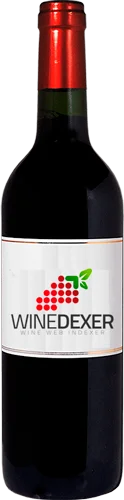
The Winery Lisini is one of the best wineries to follow in Toscane.. It offers 9 wines for sale in of Tuscany to come and discover on site or to buy online.
Looking for the best Winery Lisini wines in Tuscany among all the wines in the region? Check out our tops of the best red, white or effervescent Winery Lisini wines. Also find some food and wine pairings that may be suitable with the wines from this area. Learn more about the region and the Winery Lisini wines with technical and enological descriptions.
How Winery Lisini wines pair with each other generally quite well with dishes of beef, lamb or veal such as recipes of beef bobotie, lamb delight with tomato and cinnamon or pork tenderloin with mushroom sauce.
On the nose the red wine of Winery Lisini. often reveals types of flavors of cherry, oaky or earthy and sometimes also flavors of blackberry, red fruit or black cherries. In the mouth the red wine of Winery Lisini. is a powerful with a nice balance between acidity and tannins.
Tuscany is one of the most famous and prolific wine regions in Europe. It is best known for its Dry red wines made from Sangiovese grapes, which dominate production. These include Chianti, Brunello di Montalcino and Vino Nobile di Montepulciano. The region's Vin Santo is also highly prized, as are its passito dessert wines, though these are produced in comparatively tiny quantities.
Dry whites are probably less familiar to most consumers - except perhaps Vernaccia di San Gimignano. Located in Central Italy, Tuscany borders Liguria and Emilia-Romagna to the North, Umbria and Marche to the east and Lazio to the South. Its western border is formed by the Tyrrhenian Sea. The picturesque rolling hills, medieval villages and cypress-lined avenues attract tourists and help promote the wines.
Planning a wine route in the of Tuscany? Here are the wineries to visit and the winemakers to meet during your trip in search of wines similar to Winery Lisini.
An interspecific cross between 15-6 Garnier (villard noir or 18315 Seyve-Villard x Müller-Thurgau) and perle noire or 20347 Seyve-Villard (panse de Provence x 12358 Seyve-Villard), obtained in Switzerland in the 1930s by a nurseryman named Garnier. Muscat Bleu can be found in Germany, Switzerland, Belgium, etc. In France, it is practically unknown. It is listed in the Official Catalogue of Vine Varieties, list A2.