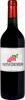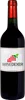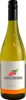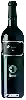
Winery MurviedroSanterra Syrah
 Red wine


In the mouth this red wine is a powerful with a lot of tannins present in the mouth.
This wine generally goes well with poultry, beef or game (deer, venison).
Taste structure of the Santerra Syrah from the Winery Murviedro
Light | Bold | |
Smooth | Tannic | |
Dry | Sweet | |
Soft | Acidic |
In the mouth the Santerra Syrah of Winery Murviedro in the region of Valence is a powerful with a lot of tannins present in the mouth.
Food and wine pairings with Santerra Syrah
Pairings that work perfectly with Santerra Syrah



Original food and wine pairings with Santerra Syrah

The Santerra Syrah of Winery Murviedro matches generally quite well with dishes of beef, lamb or game (deer, venison) such as recipes of improved horse steak, tajine of beef balls and merguez or duck aiguillettes.
Details and technical informations about Winery Murviedro's Santerra Syrah.
Discover the grape variety: Subéreux
An interspecific cross made by Albert Seibel (1844-1936) between 4595 Seibel and 4199 Seibel. Little cultivated, it was used as a progenitor in obtaining direct producer hybrids known as Villard blanc, Villard noir, Vignoles, ... .
Informations about the Winery Murviedro
The Winery Murviedro is one of wineries to follow in Utiel-Requena.. It offers 152 wines for sale in the of Utiel-Requena to come and discover on site or to buy online.

The wine region of Utiel-Requena
The wine region of Utiel-Requena is located in the region of Valence of Spain. Wineries and vineyards like the Domaine Hispano Suizas or the Domaine Bodegas 6º Elemento - Vino Sexto Elemento produce mainly wines red, white and pink. The most planted grape varieties in the region of Utiel-Requena are Bobal, Tempranillo and Cabernet-Sauvignon, they are then used in wines in blends or as a single variety. On the nose of Utiel-Requena often reveals types of flavors of blackberry, lime or licorice and sometimes also flavors of cream, nectarine or oil.
The wine region of Valence
Valencia is a province in the centre of Spain's sunny east coast, perhaps better known for its oranges (and paella) than its wine. The administrative Center of Valencia is the city of the same name, the third largest in Spain and the largest port on the Mediterranean. Archaeological evidence suggests that wine making in Valencia dates back more than a thousand years, but the region has never been particularly prominent on the world wine map. In modern times, Valencia's wine production has focused on quantity rather than quality, although this is gradually changing.
The word of the wine: Alcooleux
Said of a wine dominated by the presence of alcohol.