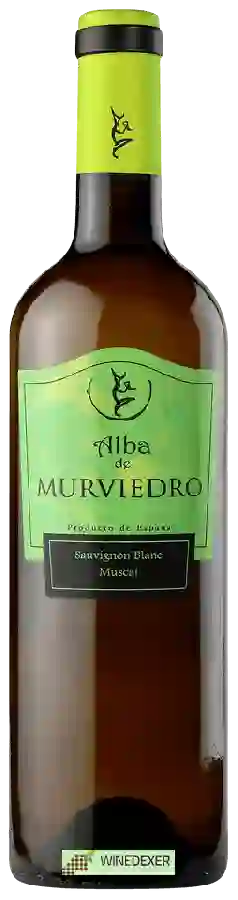
Winery MurviedroAlba de Murviedro Sauvignon Blanc - Muscat
 White wine



This wine generally goes well with vegetarian, rich fish (salmon, tuna etc) or shellfish.

Food and wine pairings with Alba de Murviedro Sauvignon Blanc - Muscat
Pairings that work perfectly with Alba de Murviedro Sauvignon Blanc - Muscat



Original food and wine pairings with Alba de Murviedro Sauvignon Blanc - Muscat


The Alba de Murviedro Sauvignon Blanc - Muscat of Winery Murviedro matches generally quite well with dishes of rich fish (salmon, tuna etc), shellfish or spicy food such as recipes of sea bream, fried rice with shrimp and chicken or braised chicken and plantains.
Details and technical informations about Winery Murviedro's Alba de Murviedro Sauvignon Blanc - Muscat.
Discover the grape variety: Malagouzia
Aromatic, structured whites with a pale golden robe, ample palate and preserved acidity, with intense signature aromas of citrus (lemon, grapefruit), exotic fruits (mango, passion fruit), white flowers (jasmine) and muscat-like notes. Fine ageing potential. Star of the great aromatic whites of Greek Macedonia, spearhead of modern Greek viticulture and widely exported. Indigenous Greek white variety, rediscovered in the 1980s.
Last vintages of this wine
The best vintages of Alba de Murviedro Sauvignon Blanc - Muscat from Winery Murviedro are 2011, 2012
Informations about the Winery Murviedro
The Winery Murviedro is one of of the world's great estates. It offers 152 wines for sale in the of Valence to come and discover on site or to buy online.

The wine region of Valence
Sunny Mediterranean Levant, sun-drenched accessible wines. Monastrell (Mourvèdre) star red in Alicante: fleshy and deep with black fruits, garrigue, leather and spice, firm tannins. Round, fruity Bobal from Utiel-Requena, supple Garnacha, juicy Tempranillo. Fresh whites: light Merseguera, aromatic Moscatel (fresh grape, flowers).
The word of the wine: Seeds
A maximum of four, located in the heart of the grape berry, they contain tannins and nitrogenous matter.


