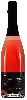
Winery Meyer - NäkelDernau Hofgarten Riesling Sekt Brut
 Sparkling wine
This wine generally goes well with pork, vegetarian or poultry.
Food and wine pairings with Dernau Hofgarten Riesling Sekt Brut
Pairings that work perfectly with Dernau Hofgarten Riesling Sekt Brut



Original food and wine pairings with Dernau Hofgarten Riesling Sekt Brut



The Dernau Hofgarten Riesling Sekt Brut of Winery Meyer - Näkel matches generally quite well with dishes of pork, rich fish (salmon, tuna etc) or spicy food such as recipes of traditional welsh dark beer, tuna and goat cheese pie or couscous chicken and merguez.
Details and technical informations about Winery Meyer - Näkel's Dernau Hofgarten Riesling Sekt Brut.
Discover the grape variety: Riesling
White Riesling is a grape variety that originated in France (Alsace). It produces a variety of grape specially used for the elaboration of wine. It is rare to find this grape to eat on our tables. This variety of grape is characterized by small bunches, and small grapes. White Riesling can be found in many vineyards: Alsace, Loire Valley, Languedoc & Roussillon, Lorraine, Provence & Corsica, Rhone Valley, Savoie & Bugey, Beaujolais, South West.
Informations about the Winery Meyer - Näkel
The Winery Meyer - Näkel is one of of the world's great estates. It offers 52 wines for sale in the of Ahr to come and discover on site or to buy online.

The wine region of Ahr
Ahr is one of Germany’s least-known and Northernmost wine regions, known for its Pinot Noir reds. It Lies immediately north of the Mosel, and follows the Ahr River in the Final stages of its journey towards its confluence with the Rhein. One might expect a wine region this far north (50°N) to specialize in white wines – like almost every other cool-Climate wine region. After all, neighboring Mosel and Mittelrhein both clearly favor white wines (around 85 percent).
The word of the wine: Table wine
A category of wine with no geographical indication on the label, often resulting from blends between wines from different vineyards in France or the EU. These wines are now called "wines without geographical indication" (and "French wines" if they come from the national territory).