The Winery Mas de la Pansa of Conca de Barberà of Catalogne
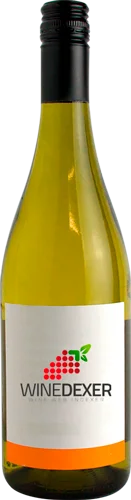
Winery Mas de la Pansa
The winery offers 3 different wines
4.0


Note - 1Note - 1Note - 1Note - 1Note - 0
Its wines get an average rating of 4.
It is currently not ranked among the best domains of Catalogne.
It is located in Conca de Barberà in the region of Catalogne

The Winery Mas de la Pansa is one of the best wineries to follow in Conca de Barberà.. It offers 3 wines for sale in of Conca de Barberà to come and discover on site or to buy online.
Top Winery Mas de la Pansa wines

Looking for the best Winery Mas de la Pansa wines in Conca de Barberà among all the wines in the region? Check out our tops of the best red, white or effervescent Winery Mas de la Pansa wines. Also find some food and wine pairings that may be suitable with the wines from this area. Learn more about the region and the Winery Mas de la Pansa wines with technical and enological descriptions.

The top white wines of Winery Mas de la Pansa

Food and wine pairings with a white wine of Winery Mas de la Pansa

How Winery Mas de la Pansa wines pair with each other generally quite well with dishes such as recipes .

The best vintages in the white wines of Winery Mas de la Pansa

  • 0With an average score of 3.90/5

The grape varieties most used in the white wines of Winery Mas de la Pansa.

  • Parellada

Discovering the wine region of Conca de Barberà

The wine region of Conca de Barberà is located in the region of Catalogne of Spain. Wineries and vineyards like the Domaine Torres or the Domaine Torres produce mainly wines red, white and pink. The most planted grape varieties in the region of Conca de Barberà are Trepat, Cabernet-Sauvignon and Merlot, they are then used in wines in blends or as a single variety. On the nose of Conca de Barberà often reveals types of flavors of cherry, dark chocolate or cinnamon and sometimes also flavors of toasty, raisin or cassis.

In the mouth of Conca de Barberà is a powerful with a nice freshness. We currently count 47 estates and châteaux in the of Conca de Barberà, producing 208 different wines in conventional, organic and biodynamic agriculture. The wines of Conca de Barberà go well with generally quite well with dishes of beef, pasta or veal.

The top red wines of Winery Mas de la Pansa

Food and wine pairings with a red wine of Winery Mas de la Pansa

How Winery Mas de la Pansa wines pair with each other generally quite well with dishes of beef, pasta or veal such as recipes of pork chops with potatoes, spaghetti with summer vegetables or normandy style escalope.

Organoleptic analysis of red wines of Winery Mas de la Pansa

In the mouth the red wine of Winery Mas de la Pansa. is a powerful with a nice freshness.

The best vintages in the red wines of Winery Mas de la Pansa

  • 2017With an average score of 4.20/5
  • 0With an average score of 4.10/5
  • 2016With an average score of 4.00/5

The grape varieties most used in the red wines of Winery Mas de la Pansa.

  • Trepat

Discover the grape variety: Trepat

A very old grape variety found mainly in Catalonia (Spain), in the regions of Conca de Barbera and Costers del Segre, and also in the Balearic Islands, Murcia, Valencia, etc. It is said to be related to the white heben and has no link with the white trepat of Priorat. Before the phylloxera crisis, it could be found in Languedoc and Roussillon, which is no longer the case today, but it could be interesting for producing excellent and original rosé wines.

Discover other wineries and winemakers neighboring the Winery Mas de la Pansa

Planning a wine route in the of Conca de Barberà? Here are the wineries to visit and the winemakers to meet during your trip in search of wines similar to Winery Mas de la Pansa.

Discover the grape variety: Parellada

The white Parellada is a grape variety that originated in France (Spain). It produces a variety of grape specially used for the elaboration of wine. It is rare to find this grape to eat on our tables. This variety of grape is characterized by large bunches of grapes of medium size. The white Parellada can be found cultivated in these vineyards: Languedoc & Roussillon, South West.