The Château du Galoupet of Provence
The Château du Galoupet is one of the best wineries to follow in Provence.. It offers 28 wines for sale in of Provence to come and discover on site or to buy online.

Looking for the best Château du Galoupet wines in Provence among all the wines in the region? Check out our tops of the best red, white or effervescent Château du Galoupet wines. Also find some food and wine pairings that may be suitable with the wines from this area. Learn more about the region and the Château du Galoupet wines with technical and enological descriptions.
How Château du Galoupet wines pair with each other generally quite well with dishes of pork, shellfish or vegetarian such as recipes of pork roll with tomato sauce, scallops with saffron or quiche without pastry.
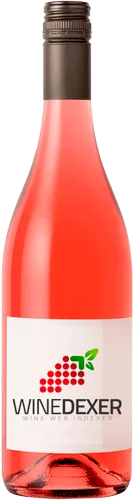
On the nose the pink wine of Château du Galoupet. often reveals types of flavors of cream, cherry or grapefruit and sometimes also flavors of citrus, peach or minerality. In the mouth the pink wine of Château du Galoupet. is a with a nice freshness.
Provence is a wine region in the far southeast of France, best known for the quality (and quantity) of its rosé wines and for its Warm, mild Climate. The modernization that is taking place in many of the traditional wine regions of southern France has not yet taken place to the same extent in Provence, but there are Clear signs of change. The region's Grape varieties, in particular, have come under scrutiny in recent decades. Traditional varieties such as Carignan, Barbaroux (Barbarossa from Sardinia) and Calitor are being replaced by more commercially viable varieties such as Grenache, Syrah and even Cabernet Sauvignon.
The term "Varietal improvers" is gaining ground in Provence, as it is in the neighbouring Languedoc-Roussillon. The most successful local varieties, Mourvèdre, Tibouren and Vermentino (known locally as Rolle), have remained in favor, proving their value in Provence wines, in red, rosé and white respectively. The Vineyards of Provence cover an area of France's southeastern coastline that measures about 200 kilometers from east to west. In this definitely Mediterranean climate - no Provencal vineyard is more than 55 km from the Mediterranean - the vines enjoy about 3,000 hours of sunshine a year, as well as an average annual temperature of 14.
5°C.
How Château du Galoupet wines pair with each other generally quite well with dishes of beef, lamb or spicy food such as recipes of tibs (ethiopia), irish stew or pho soup.
On the nose the red wine of Château du Galoupet. often reveals types of flavors of grapefruit, citrus or apples and sometimes also flavors of peach, blackberry or strawberries. In the mouth the red wine of Château du Galoupet. is a powerful with a nice balance between acidity and tannins.
Tibouren noir is a grape variety that originated in France (Provence). It produces a variety of grape specially used for wine making. It is rare to find this grape to eat on our tables. Tibouren noir can be found in several vineyards: South-West, Cognac, Bordeaux, Provence & Corsica, Rhone Valley, Loire Valley, Savoie & Bugey, Beaujolais, Languedoc & Roussillon.
How Château du Galoupet wines pair with each other generally quite well with dishes of rich fish (salmon, tuna etc), shellfish or sweet desserts such as recipes of steamed ginger fish (china), penne with shrimp and zucchini or rice with milk.
On the nose the white wine of Château du Galoupet. often reveals types of flavors of cream, citrus or earth and sometimes also flavors of microbio, oak or citrus fruit.
Name given locally to various grape varieties, notably pinot gris (Pays nantais) and vermentino (Provence and Corsica).
Planning a wine route in the of Provence? Here are the wineries to visit and the winemakers to meet during your trip in search of wines similar to Château du Galoupet.
White muscat is a white grape variety of Greek origin. Present in several Mediterranean vineyards, it has several synonyms such as muscat de Die, muscat blanc and frontignac. In France, it occupies a little less than 7,000 ha out of a total of 45,000 ha worldwide. Its young shoots are downy. Its youngest leaves are shiny, bronzed and scabrous. The berries and bunches of this variety are all medium-sized. The flesh of the berries is juicy, sweet and firm. Muscat à petits grains has a second ripening period and buds early in the year. It is moderately vigorous and must be pruned short. It likes poor, stony slopes. This variety is often exposed to spring frosts. It fears mildew, wasps, grape worms, court-noué, grey rot and powdery mildew. Muscat à petits grains is used to make rosé wines and dry white wines. Orange, brown sugar, barley sugar and raisins are the known aromas of these wines.