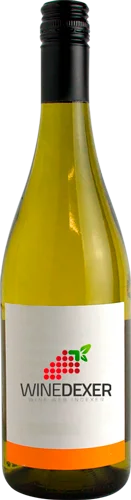
The Domaine de la Noë of Loire Valley

The Domaine de la Noë is one of the best wineries to follow in Vallée de la Loire.. It offers 31 wines for sale in of Loire Valley to come and discover on site or to buy online.
Looking for the best Domaine de la Noë wines in Loire Valley among all the wines in the region? Check out our tops of the best red, white or effervescent Domaine de la Noë wines. Also find some food and wine pairings that may be suitable with the wines from this area. Learn more about the region and the Domaine de la Noë wines with technical and enological descriptions.
How Domaine de la Noë wines pair with each other generally quite well with dishes of shellfish, appetizers and snacks or lean fish such as recipes of stuffed squid in the sétoise sauce, bread with cheese and bacon or cod fillets in the oven.
On the nose the white wine of Domaine de la Noë. often reveals types of flavors of citrus, minerality or lemon zest and sometimes also flavors of earth, tree fruit or citrus fruit. In the mouth the white wine of Domaine de la Noë. is a with a nice freshness.
The Loire Valley is a key wine region in western France. It follows the course of the Loire River on its Long journey through the heart of France, from the inland hills of the Auvergne to the plains of the French Atlantic coast near Nantes (Muscadet country). Important in terms of quantity and quality, the region produces large quantities (about 4 million h/l each year) of everyday wines, as well as some of France's greatest wines. Diversity is another of the region's major assets; the styles of wine produced here range from the light, tangy Muscadet to the Sweet, honeyed Bonnezeaux, the Sparkling whites of Vouvray and the juicy, Tannic reds of Chinon and Saumur.
It's quite telling that this brief overview of the region's wines doesn't even mention the Loire Valley's two most famous wines - Sancerre and Pouilly-Fume. White wines are clearly the strong point of the Loire Valley and represent the vast majority of production. A significant proportion of these are produced under PGI appellations, most commonly the IGP Loire (formerly Vin de Pays du Jardin de la France), which covers the whole region. The main white Grape varieties used for the production of white wines in the Loire Valley are Sauvignon Blanc, Chenin Blanc, Melon de Bourgogne and, more popular than the traditional, Chardonnay.
How Domaine de la Noë wines pair with each other generally quite well with dishes such as recipes .
As its name suggests, the folle blanche is a white grape variety. Originally from the west of France, it was used to make Cognac and Armagnac brandies as early as the 17th century and was renowned for its finesse and fragrant nose. Replaced by Ugni Blanc following the phylloxera invasion, the folle blanche is now grown in small quantities. It is a grape variety with juicy, sweet, medium-sized bunches and berries with a white/green skin. Its worst enemy is grey rot. As it is an early variety and its buds come out early, it is particularly afraid of spring frosts. It likes short pruning, a method that limits the production of grapes but increases their quality. It also prefers mineral-rich soils, and its vineyards cover about 3,000 hectares. It is used in the production of the AOC Gros-plant du Pays nantais to produce a lively white wine with little alcohol but marked acidity.
How Domaine de la Noë wines pair with each other generally quite well with dishes of beef, pork or game (deer, venison) such as recipes of pot-au-feu, homemade burger or duck aiguillettes.
Said of a lively and nervous wine.
How Domaine de la Noë wines pair with each other generally quite well with dishes of beef, pork or game (deer, venison) such as recipes of spaghetti with beef balls, sauerkraut of the sea in casserole or roast duck with cider sauce.
The white Chardonnay is a grape variety that originated in France (Burgundy). It produces a variety of grape specially used for wine making. It is rare to find this grape to eat on our tables. This variety of grape is characterized by small bunches, and small grapes. White Chardonnay can be found in many vineyards: South West, Burgundy, Jura, Languedoc & Roussillon, Cognac, Bordeaux, Beaujolais, Savoie & Bugey, Loire Valley, Champagne, Rhone Valley, Armagnac, Lorraine, Alsace, Provence & Corsica.
How Domaine de la Noë wines pair with each other generally quite well with dishes of pork, rich fish (salmon, tuna etc) or vegetarian such as recipes of baked bread (tomato, mushroom, ham, cheese), tuna omelette or leek, goat cheese and bacon quiche.
In Bordeaux, it refers to the vineyards located on the right bank of the Gironde and Dordogne rivers, where the Merlot grape variety is dominant. These are the appellations of Saint-Emilion, Pomerol, Fronsac, etc.
Planning a wine route in the of Loire Valley? Here are the wineries to visit and the winemakers to meet during your trip in search of wines similar to Domaine de la Noë.
Egiodola noir is a grape variety that originated in France (Languedoc). It produces a variety of grape specially used for wine making. It is rare to find this grape to eat on our tables. This variety of grape is characterized by large bunches of grapes of medium size. The Egiodola noir can be found in several vineyards: South-West, Cognac, Bordeaux, Loire Valley, Languedoc & Roussillon, Provence & Corsica, Rhone Valley, Savoie & Bugey, Beaujolais, Armagnac.