The Winery Drouet Fréres of Vin de France
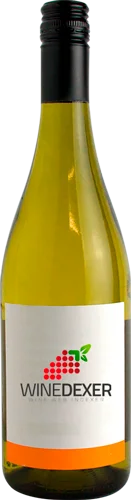
The Winery Drouet Fréres is one of the largest wineries in the world. It offers 111 wines for sale in of Vin de France to come and discover on site or to buy online.
Looking for the best Winery Drouet Fréres wines in Vin de France among all the wines in the region? Check out our tops of the best red, white or effervescent Winery Drouet Fréres wines. Also find some food and wine pairings that may be suitable with the wines from this area. Learn more about the region and the Winery Drouet Fréres wines with technical and enological descriptions.
How Winery Drouet Fréres wines pair with each other generally quite well with dishes of shellfish, appetizers and snacks or lean fish such as recipes of hake with small shrimps for cookeo, twists with anchovies or whiting with steamed zucchini.
On the nose the white wine of Winery Drouet Fréres. often reveals types of flavors of apples, minerality or honey and sometimes also flavors of earth, tree fruit or citrus fruit. In the mouth the white wine of Winery Drouet Fréres. is a with a nice freshness.
Vin de France is the most basic level of quality for wines from France. These are generally uncomplicated everyday drinks - most often blends, but perhaps also Varietal wines based on a well-known Grape variety such as Cabernet Sauvignon, Merlot, Chardonnay or Sauvignon Blanc. Wines from France are those that do not meet the criteria stipulated by the Protected Designation of Origin (PDO) or Protected Geographical Indication (PGI) laws (see information on French wine labels). This may be because the vineyards are outside the delimited production areas or because the grape varieties or winemaking techniques used do not conform to the rules of the local appellations.
Although there are some notable exceptions to the rule, most Vin de France wines are produced from high-yielding vines in the South of France (particularly Languedoc-Roussillon), most often from widely planted traditional grape varieties such as Carignan or Merlot. These are light, Fruity wines, intended for early consumption. Many of the wines of France are "bag-in-box" or "box wine" wines, as the economies of scale of cheaper packaging are an attractive option for producers and consumers. There are, however, wines from France of exceptional interest and quality.
How Winery Drouet Fréres wines pair with each other generally quite well with dishes of beef, pork or game (deer, venison) such as recipes of beer goulash, moist parmesan steak or my grandmother's rabbit stew.
In the mouth the red wine of Winery Drouet Fréres. is a powerful with a nice balance between acidity and tannins.
It most certainly originates from the Anjou region and is registered in the official catalogue of wine grape varieties on the A1 list. It can also be found in South Africa, Australia, Argentina, Chile, the United States (California), New Zealand, etc. It is said to be a descendant of Savagnin and to have sauvignonasse as its second parent (Jean-Michel Boursiquot 2019). On the other hand, Chenin blanc is the half-brother of verdelho and sauvignon blanc and is the father of colombard.
How Winery Drouet Fréres wines pair with each other generally quite well with dishes of beef, lamb or shellfish such as recipes of fast and, moussaka with spices or mussels with beer.
On the nose the pink wine of Winery Drouet Fréres. often reveals types of flavors of grapefruit, citrus or strawberries and sometimes also flavors of raspberry, wild strawberries or red currant.
Said of a frank wine with well-defined characteristics.
How Winery Drouet Fréres wines pair with each other generally quite well with dishes of shellfish, poultry or appetizers and snacks such as recipes of seafood risotto, yassa chicken (senegal) or fried onions.
On the nose the sparkling wine of Winery Drouet Fréres. often reveals types of flavors of citrus, microbio or citrus fruit. In the mouth the sparkling wine of Winery Drouet Fréres. is a powerful with a nice vivacity and a fine and pleasant bubble.
White muscat is a white grape variety of Greek origin. Present in several Mediterranean vineyards, it has several synonyms such as muscat de Die, muscat blanc and frontignac. In France, it occupies a little less than 7,000 ha out of a total of 45,000 ha worldwide. Its young shoots are downy. Its youngest leaves are shiny, bronzed and scabrous. The berries and bunches of this variety are all medium-sized. The flesh of the berries is juicy, sweet and firm. Muscat à petits grains has a second ripening period and buds early in the year. It is moderately vigorous and must be pruned short. It likes poor, stony slopes. This variety is often exposed to spring frosts. It fears mildew, wasps, grape worms, court-noué, grey rot and powdery mildew. Muscat à petits grains is used to make rosé wines and dry white wines. Orange, brown sugar, barley sugar and raisins are the known aromas of these wines.
How Winery Drouet Fréres wines pair with each other generally quite well with dishes of beef, pork or game (deer, venison) such as recipes of beef mironton, pork roll with mustard or rabbit legs with mushrooms.
Called second fermentation or malo for short. It is the degradation (under the effect of bacteria) of the malic acid naturally present in the wine into milder, less aggressive lactic acid. Some producers or wineries refuse this operation by "blocking the malo" (by cold and adding SO2) to keep a maximum of acidity which carries the aromas and accentuates the sensation of freshness.
Planning a wine route in the of Vin de France? Here are the wineries to visit and the winemakers to meet during your trip in search of wines similar to Winery Drouet Fréres.
The white Chardonnay is a grape variety that originated in France (Burgundy). It produces a variety of grape specially used for wine making. It is rare to find this grape to eat on our tables. This variety of grape is characterized by small bunches, and small grapes. White Chardonnay can be found in many vineyards: South West, Burgundy, Jura, Languedoc & Roussillon, Cognac, Bordeaux, Beaujolais, Savoie & Bugey, Loire Valley, Champagne, Rhone Valley, Armagnac, Lorraine, Alsace, Provence & Corsica.