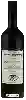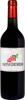
Winery Drouet FréresLouise de L'Oiseau Merlot
 Red wine
In the mouth this red wine is a powerful with a nice balance between acidity and tannins.
This wine generally goes well with beef, veal or pasta.
Taste structure of the Louise de L'Oiseau Merlot from the Winery Drouet Fréres
Light | Bold | |
Smooth | Tannic | |
Dry | Sweet | |
Soft | Acidic |
In the mouth the Louise de L'Oiseau Merlot of Winery Drouet Fréres in the region of Pays d'Oc is a powerful with a nice balance between acidity and tannins.
Food and wine pairings with Louise de L'Oiseau Merlot
Pairings that work perfectly with Louise de L'Oiseau Merlot



Original food and wine pairings with Louise de L'Oiseau Merlot
The Louise de L'Oiseau Merlot of Winery Drouet Fréres matches generally quite well with dishes of beef, pasta or veal such as recipes of enchiladas franchouillards, mami's macaroni and gruyere gratin or blanquette of veal in pickle sauce.
Details and technical informations about Winery Drouet Fréres's Louise de L'Oiseau Merlot.
Discover the grape variety: Merlot
Merlot is a red grape variety with small black berries that appeared at the end of the 18th century. It is produced in most of the Bordeaux terroirs, where it represents 58% of the planted area, and its best terroir is located in Pomerol and Saint-Emilion on cool, clay-limestone soils. At the mythical Château Pétrus, the wine is made with 95% Merlot, with a dark, dense colour, aromas of red and black fruits and a superb range of flavours, the Merlot transforms during its ageing to give way to notes of prunes, undergrowth and spices. On the palate, it is supple with distinguished tannins. It is often blended with Cabernet Sauvignon. Merlot is no longer exclusive to Bordeaux, it is nowadays vinified all over the world.
Informations about the Winery Drouet Fréres
The Winery Drouet Fréres is one of of the world's great estates. It offers 113 wines for sale in the of Pays d'Oc to come and discover on site or to buy online.

The wine region of Pays d'Oc
Pays d'Oc is the PGI for red, white and rosé wines that are produced over a wide area of the southern coast of France. The PGI catchment area corresponds roughly to the Languedoc-roussillon">Languedoc-Roussillon wine region, one of the largest wine regions in France. The area covers all wines that are not produced under the strict laws that govern AOC-level appellations in the regions: among them, Corbières, Minervois and the Languedoc appellation itself. The Pays d'Oc PGI is arguably the most important in France, producing the majority of the country's PGI wines.
The word of the wine: Bleeding
Old practice for red wines. As soon as the vat is filled with grapes, the tap is opened. A sweet but clear juice escapes from the vat (it can also be used to make rosé). The colour and density of the juice is enhanced, but it should not be overdone. Rarely more than 10% of the volume of a vat, otherwise you risk losing fruit and bringing in bitterness.