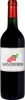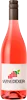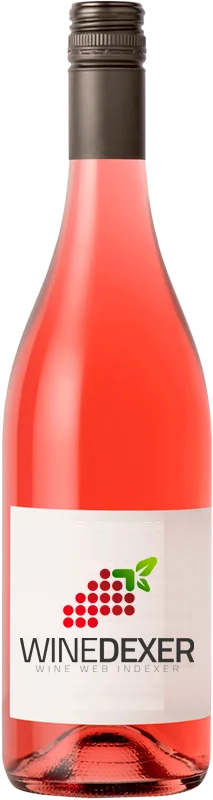
Winery ArringtonFirefly Rosé
 Pink wine



This wine generally goes well with pork, poultry or beef.
The Firefly Rosé of the Winery Arrington is in the top 50 of wines of Tennessee.

Food and wine pairings with Firefly Rosé
Pairings that work perfectly with Firefly Rosé



Original food and wine pairings with Firefly Rosé



The Firefly Rosé of Winery Arrington matches generally quite well with dishes of beef, veal or pork such as recipes of kafta bil saniyeh (lebanese dish), roast veal orloff with mushrooms or brussels sprouts with bacon in a casserole.
Details and technical informations about Winery Arrington's Firefly Rosé.
Discover the grape variety: Sangiovese
Firm, upright reds with precise acidity and angular tannins, showing aromas of sour cherry, plum, dried herbs, leather, black tea and balsamic notes. Characteristically bitter, savoury finish. Star of Chianti Classico DOCG, Brunello di Montalcino DOCG, Vino Nobile di Montepulciano DOCG and Morellino di Scansano. Italy's most planted variety, a descendant of Ciliegiolo × Calabrese di Montenuovo.
Last vintages of this wine
The best vintages of Firefly Rosé from Winery Arrington are 0, 2017, 2016, 2014
Informations about the Winery Arrington
The Winery Arrington is one of of the world's great estates. It offers 42 wines for sale in the of Tennessee to come and discover on site or to buy online.

The wine region of Tennessee
Wine state of the American Southeast, humid subtropical climate forcing native resistant grapes. Muscadine signature king grape: fruity accessible wines with signature notes of fresh grape, tropical fruits, white flowers and musky touch — often sweet or off-dry in typical Southern style. Vidal Blanc fresh hybrid (pear, citrus), Chambourcin supple red (cherry, spices), more structured Norton (blackberry, earth). 2 AVAs including Nine Lakes (2026).
The word of the wine: Tartar (deposit)
White, chalky deposits that occur as a result of precipitation inside bottles and are often considered by consumers as a defect. They are in fact tartaric salts formed by tartaric acid, potassium and calcium naturally present in the wine. This deposit does not alter the quality of the wine and can be eliminated by a simple decanting.