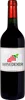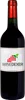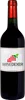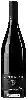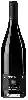
Winery Adolf SchreinerSpätburgunder Trocken
 Red wine


In the mouth this red wine is a with a nice freshness.
This wine generally goes well with poultry, beef or veal.

Taste structure of the Spätburgunder Trocken from the Winery Adolf Schreiner
Light | Bold | |
Smooth | Tannic | |
Dry | Sweet | |
Soft | Acidic |
In the mouth the Spätburgunder Trocken of Winery Adolf Schreiner in the region of Ahr is a with a nice freshness.
Food and wine pairings with Spätburgunder Trocken
Pairings that work perfectly with Spätburgunder Trocken



Original food and wine pairings with Spätburgunder Trocken

The Spätburgunder Trocken of Winery Adolf Schreiner matches generally quite well with dishes of beef, veal or game (deer, venison) such as recipes of chickpeas spanish style, roast veal with milk and rosemary or venison leg marinated in white wine and grand marnier.
Details and technical informations about Winery Adolf Schreiner's Spätburgunder Trocken.
Discover the grape variety: Humagne blanche
Structured, original whites with a golden robe, ample palate and fresh alpine acidity, showing aromas of yellow fruits (pear, quince), candied citrus, linden, honey, white flowers and mineral notes with a slightly bitter finish. Reputed tonic, once given to new mothers. Discreet star of the Valais hillsides (Sierre, Sion, Conthey). Autochthonous Valais variety, one of Switzerland's oldest (recorded since the 14th century), with no link to humagne rouge.
Last vintages of this wine
The best vintages of Spätburgunder Trocken from Winery Adolf Schreiner are 0
Informations about the Winery Adolf Schreiner
The Winery Adolf Schreiner is one of of the world's greatest estates. It offers 10 wines for sale in the of Ahr to come and discover on site or to buy online.

The wine region of Ahr
Small German valley south of Bonn, the country's largest contiguous single red-grape zone. Signature Spatburgunder (Pinot Noir) (>60%): elegant, structured reds with signature notes of cherry, raspberry, wild strawberry, undergrowth and sweet spice, silky tannins and taut freshness — Burgundian style in an improbable climate. Also early Fruhburgunder, fleshier. ~560 ha on steep slopes over schist and slate, sheltered temperate microclimate.
The word of the wine: Malic (acid)
An acid that occurs naturally in many wines and is transformed into lactic acid during malolactic fermentation.