The Vignoble de la Mulonnière of Anjou of Loire Valley
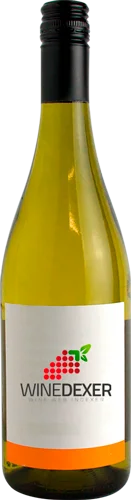
The Vignoble de la Mulonnière is one of the best wineries to follow in Anjou.. It offers 14 wines for sale in of Anjou to come and discover on site or to buy online.
Looking for the best Vignoble de la Mulonnière wines in Anjou among all the wines in the region? Check out our tops of the best red, white or effervescent Vignoble de la Mulonnière wines. Also find some food and wine pairings that may be suitable with the wines from this area. Learn more about the region and the Vignoble de la Mulonnière wines with technical and enological descriptions.
How Vignoble de la Mulonnière wines pair with each other generally quite well with dishes of rich fish (salmon, tuna etc), vegetarian or poultry such as recipes of chinese fondue, tuna, pepper and tomato quiche or milanese cutlets like in italy.
The wine region of Anjou is located in the region of Centre Loire of Loire Valley of France. Wineries and vineyards like the Domaine Lacheteau or the Domaine Moncourt produce mainly wines white, red and pink. The most planted grape varieties in the region of Anjou are Chenin blanc, Cabernet franc and Cabernet-Sauvignon, they are then used in wines in blends or as a single variety. On the nose of Anjou often reveals types of flavors of red fruit, caramel or bell pepper and sometimes also flavors of tomatoes, cassis or mushroom.
In the mouth of Anjou is a with a nice freshness. We currently count 448 estates and châteaux in the of Anjou, producing 960 different wines in conventional, organic and biodynamic agriculture. The wines of Anjou go well with generally quite well with dishes of beef, pork or game (deer, venison).
How Vignoble de la Mulonnière wines pair with each other generally quite well with dishes of lamb, vegetarian or poultry such as recipes of lamb mouse confit in wine, zucchini and goat cheese quiche or traditional tunisian couscous.
Pinot noir is an important red grape variety in Burgundy and Champagne, and its reputation is well known! Great wines such as the Domaine de la Romanée Conti elaborate their wines from this famous grape variety, and make it a great variety. When properly vinified, pinot noit produces red wines of great finesse, with a wide range of aromas depending on its advancement (fruit, undergrowth, leather). it is also the only red grape variety authorized in Alsace. Pinot Noir is not easily cultivated beyond our borders, although it has enjoyed some success in Oregon, the United States, Australia and New Zealand.
How Vignoble de la Mulonnière wines pair with each other generally quite well with dishes of lamb, rich fish (salmon, tuna etc) or poultry such as recipes of greek-style shepherd's pie, tartiflette with smoked salmon or seafood, chorizo and chicken paella from patou.
Dry, still wine intended for the production of sparkling wines (champagne, crémants, etc.). The basic wines undergo a second fermentation in the bottle for the production of carbon dioxide, and therefore of bubbles.
How Vignoble de la Mulonnière wines pair with each other generally quite well with dishes of shellfish, poultry or appetizers and snacks such as recipes of chicken and shrimp jambalaya, chicken wrap or smoked salmon and lemon cake.
Originally from Bordeaux, Sauvignon, or Sauvignon Blanc, is reputed to be one of the best French grape varieties for white wine. It is a white grape variety, not to be confused with Sauvignon Gris and its pale yellow color, or with Cabernet Sauvignon which produces red wines. Particularly famous thanks to Sancerre, Sauvignon Blanc is cultivated as far as New Zealand, where it produces great wines whose reputation is well established.
Planning a wine route in the of Anjou? Here are the wineries to visit and the winemakers to meet during your trip in search of wines similar to Vignoble de la Mulonnière.
It most certainly originates from the Anjou region and is registered in the official catalogue of wine grape varieties on the A1 list. It can also be found in South Africa, Australia, Argentina, Chile, the United States (California), New Zealand, etc. It is said to be a descendant of Savagnin and to have sauvignonasse as its second parent (Jean-Michel Boursiquot 2019). On the other hand, Chenin blanc is the half-brother of verdelho and sauvignon blanc and is the father of colombard.