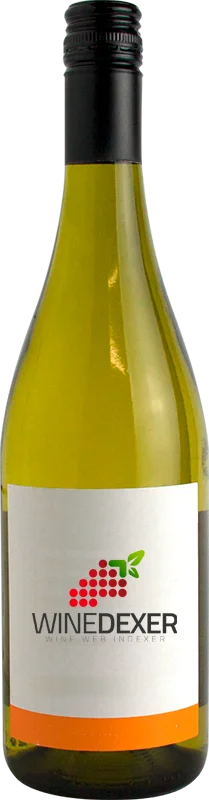
Winery Sociedade Agrícola de PiasPulo do Lobo Verdelho
 White wine


In the mouth this white wine is a .
This wine generally goes well with pork, lean fish or shellfish.

Taste structure of the Pulo do Lobo Verdelho from the Winery Sociedade Agrícola de Pias
Light | Bold | |
Dry | Sweet | |
Soft | Acidic |
In the mouth the Pulo do Lobo Verdelho of Winery Sociedade Agrícola de Pias in the region of Alentejano is a .
Food and wine pairings with Pulo do Lobo Verdelho
Pairings that work perfectly with Pulo do Lobo Verdelho



Original food and wine pairings with Pulo do Lobo Verdelho

The Pulo do Lobo Verdelho of Winery Sociedade Agrícola de Pias matches generally quite well with dishes of pasta, pork or shellfish such as recipes of chinese chicken soup, pork colombo or lamb curry indian style.
Details and technical informations about Winery Sociedade Agrícola de Pias's Pulo do Lobo Verdelho.
Discover the grape variety: Verdelho
Structured, taut whites with precise acidity and a slender mouth, featuring aromas of citrus (lemon, orange peel), dried fruits, toasted almond, Mediterranean herbs and pronounced saline notes. A historic pillar of medium-dry Madeira (one of the island's four classic noble grapes) where it develops complex oxidative notes. Also as structured dry whites in Douro DOC and Australia (Hunter Valley). Native Portuguese grape, unrelated to Spanish Verdejo.
Last vintages of this wine
The best vintages of Pulo do Lobo Verdelho from Winery Sociedade Agrícola de Pias are 2016, 0, 2015
Informations about the Winery Sociedade Agrícola de Pias
The Winery Sociedade Agrícola de Pias is one of of the world's great estates. It offers 24 wines for sale in the of Alentejano to come and discover on site or to buy online.

The wine region of Alentejano
Star of southern Portugal's great reds, sunny and opulent wines. Typical blends: round fruity Aragonez (Tempranillo), spicy Trincadeira, Touriga Nacional (black fruits, violet), deep teinturier Alicante Bouschet, juicy Castelão. Fleshy reds with notes of plum, black cherry, cocoa and sweet spices, melted tannins. Ample fresh Antão Vaz and Arinto whites.
The word of the wine: Deposit
Solid particles that can naturally coat the bottom of a bottle of wine. It is rather a guarantee that the wine has not been mistreated: in fact, to avoid the natural deposit, rather violent processes of filtration or cold passage (- 7 or - 8 °C) are used in order to precipitate the tartar (the small white crystals that some people confuse with crystallized sugar: just taste to dissuade you from it)