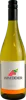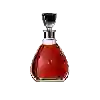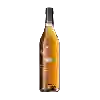
Winery Parcé FrèresMuté sur Grains Banyuls
 Natural sweet wine



This wine generally goes well with beef, mature and hard cheese or spicy food.

Food and wine pairings with Muté sur Grains Banyuls
Pairings that work perfectly with Muté sur Grains Banyuls



Original food and wine pairings with Muté sur Grains Banyuls
The Muté sur Grains Banyuls of Winery Parcé Frères matches generally quite well with dishes of beef, spicy food or mature and hard cheese such as recipes of beef stew express, chicken colombo (west indies) or parsnip mousse in a glass jar.
Details and technical informations about Winery Parcé Frères's Muté sur Grains Banyuls.
Discover the grape variety: Furmint
Taut, structured whites with cutting acidity and a mineral mouth, featuring aromas of apple, quince, citrus, honey, smoke and chalk notes. Made as ambitious dry wines (Tokaji száraz, Somló), off-dry and especially sumptuous botrytised sweet wines: Tokaji Aszú (legendary, classified by puttonyos) and Tokaji Eszencia. Highly susceptible to noble rot. The absolute star of Tokaj in Hungary, also in Slovakia, Slovenia (Šipon) and Austria. Native Hungarian grape.
Last vintages of this wine
The best vintages of Muté sur Grains Banyuls from Winery Parcé Frères are 2014, 2017, 2016
Informations about the Winery Parcé Frères
The Winery Parcé Frères is one of of the world's great estates. It offers 43 wines for sale in the of Banyuls to come and discover on site or to buy online.

The wine region of Banyuls
AOC natural sweet wine of the Catalan Côte Vermeille, spectacular schist terrace vineyards facing the Mediterranean. Black Grenache fortified with alcohol (min. 50%, min. 75% in Grand Cru).
The wine region of Languedoc-Roussillon
Largest single French vineyard, dominated by sunny, generous reds. Spicy Syrah, candied Grenache (ripe fruit, garrigue), structured Carignan, deep Mourvèdre, supple Cinsault. Stars: structured Corbières, Minervois, Faugères, Saint-Chinian; round Côtes-du-Roussillon. Legendary vins doux naturels: Banyuls and Maury (fortified Grenache) with notes of cocoa, fig, prune.
The word of the wine: Spicy
Said of a wine whose taste and aromas are reminiscent of spices.