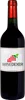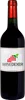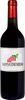
Winery KohlbergBlock 21 Syrah
 Red wine


This wine generally goes well with beef, lamb or mature and hard cheese.
The Block 21 Syrah of the Winery Kohlberg is in the top 50 of wines of Bolivia and in the top 50 of wines of Tarija.

Food and wine pairings with Block 21 Syrah
Pairings that work perfectly with Block 21 Syrah



Original food and wine pairings with Block 21 Syrah

The Block 21 Syrah of Winery Kohlberg matches generally quite well with dishes of beef, lamb or spicy food such as recipes of beef and spice stuffed peppers, thiebou yappe from senegal (rice with lamb) or alsatian sauerkraut.
Details and technical informations about Winery Kohlberg's Block 21 Syrah.
Discover the grape variety: Furmint
Taut, structured whites with cutting acidity and a mineral mouth, featuring aromas of apple, quince, citrus, honey, smoke and chalk notes. Made as ambitious dry wines (Tokaji száraz, Somló), off-dry and especially sumptuous botrytised sweet wines: Tokaji Aszú (legendary, classified by puttonyos) and Tokaji Eszencia. Highly susceptible to noble rot. The absolute star of Tokaj in Hungary, also in Slovakia, Slovenia (Šipon) and Austria. Native Hungarian grape.
Last vintages of this wine
The best vintages of Block 21 Syrah from Winery Kohlberg are 2018, 0
Informations about the Winery Kohlberg
The Winery Kohlberg is one of of the world's greatest estates. It offers 20 wines for sale in the of Tarija to come and discover on site or to buy online.

The wine region of Tarija
Wine capital of Bolivia, ~80% of national vineyard, vines planted between 1,600 and 2,350 m altitude (among the highest in the world). Very sunny dry climate, strong day-night temperature range. Muscat of Alexandria is the signature white king (~70%): aromatic and floral with fresh grape, citrus, white flowers, peach and honey — base of Singani, national spirit comparable to Pisco. Dense Malbec (blackberry, plum, violet, spices), firm Tannat and Cabernet in modern reds.
The word of the wine: Cryo-extraction
This technique was very popular at the end of the 80's in Sauternes, a little less so now. The grapes are frozen before pressing, and the water transformed into ice remains in the marc, only the sugar flows out. As with the concentrators, the "cryo" can also increase bad taste and greenness.